Brian’s Blog

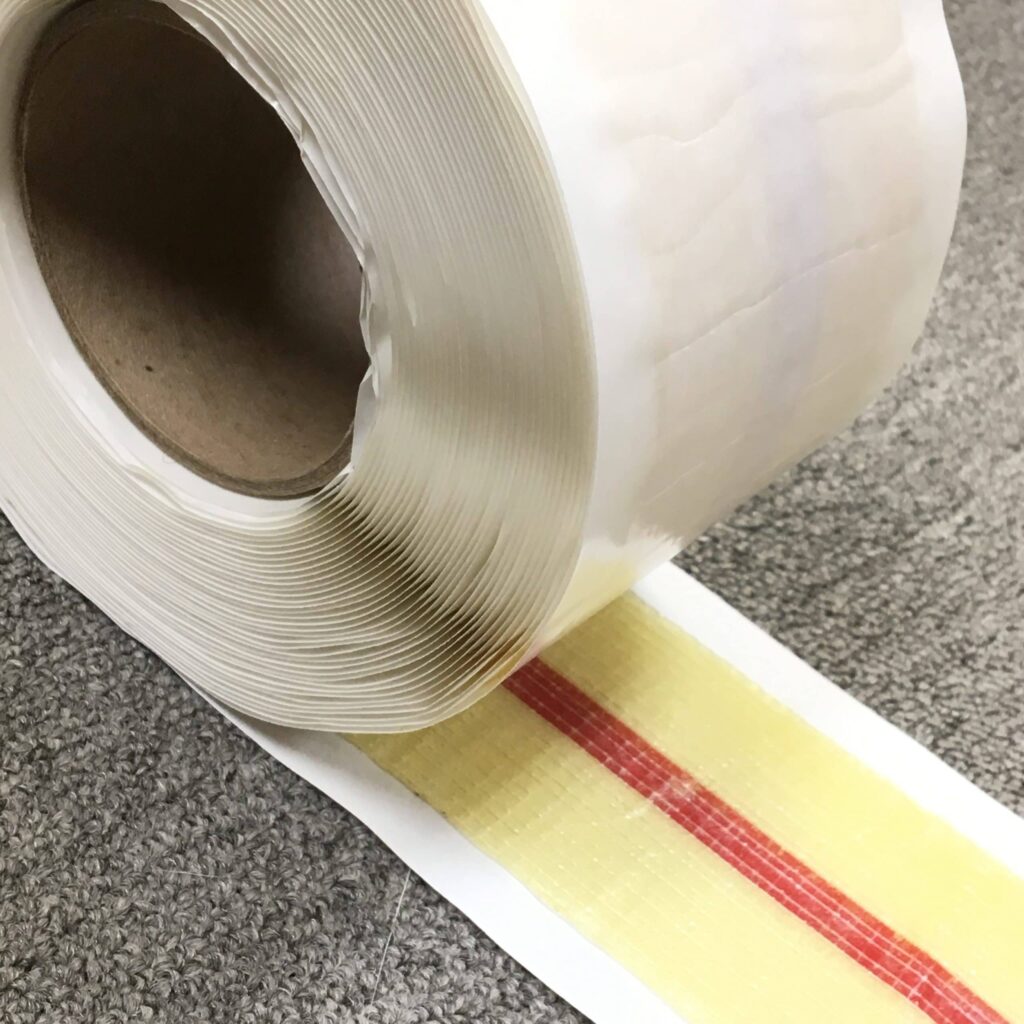
Bond Turf Seam Tape

Choose Bond Turf Seam Tape for Artificial Turf Installations

When it comes to installing artificial turf, the right seaming solution can make all the difference in both time and cost. Bond Turf Seam Tape revolutionized the way turf joins together, making installations faster, cleaner, and more efficient than ever before.

Save Time and Labor Costs with Bond Turf Seam Tape

One of the biggest advantages of using Bond Turf Seam Tape is the significant reduction in labor time, resulting in major cost savings for contractors and DIYers alike. Traditional seaming methods can take up to 15 minutes per linear yard, including mixing, setup, and application. In contrast, you can apply Bond Turf Tape in less than 5 minutes per linear yard—a 66% time savings.

Since labor is often the largest expense in any artificial turf installation or repair, switching to Bond Turf Seam Tape can help you finish more projects in less time. Imagine seaming an entire field in one-third the time. That means more jobs completed, more revenue, and happier customers.

How to Use Bond Turf Tape

Say goodbye to messy two-part epoxies and long curing times. Bond Turf Seam Tape is designed for easy, clean application:

  • The adhesive is pre-applied to the tape itself.
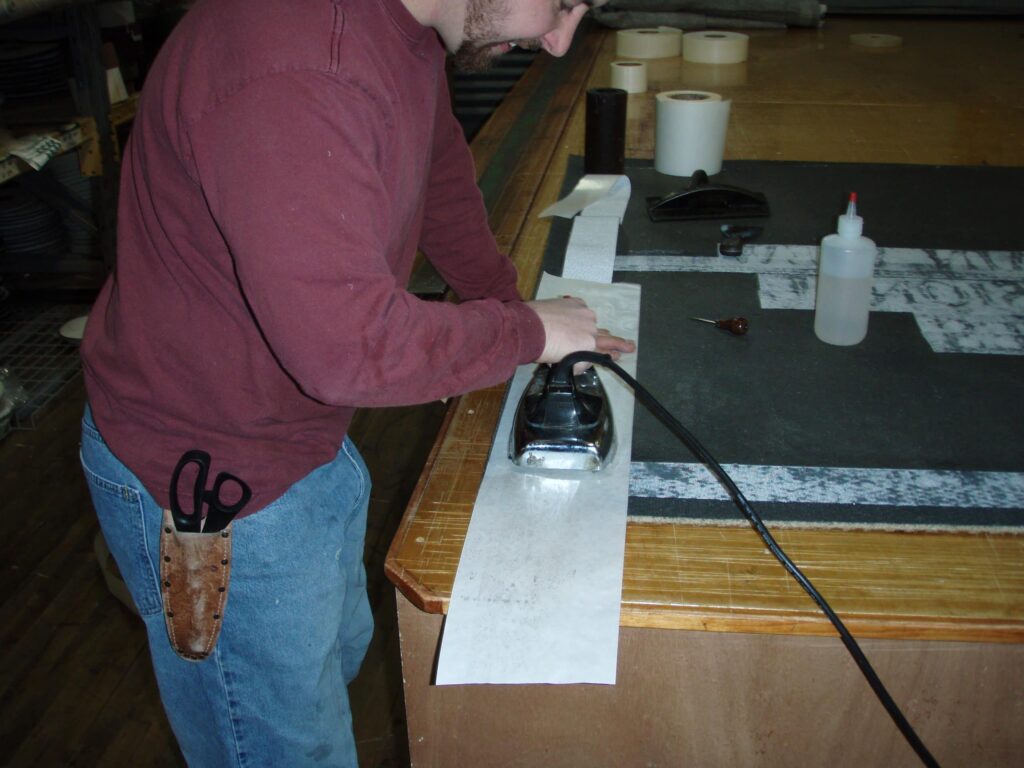
  • Simply heat-activate the glue using Bond’s high-temperature turf iron.
  • Enjoy a fast, strong, and reliable bond even in outdoor environments.

Bond Turf Tape is compatible with all urethane-backed artificial turf systems and sets up in just 10-15 minutes, depending on weather conditions. This quick setup means installers can keep moving without worrying about seams shifting during the installation process.

Superior Strength for Demanding Applications

With a tensile strength of 385 psi and a yield strength of 400 psi, Bond Turf Tape creates one of the strongest seams on the market. It’s tough enough to withstand repeated pounding from 350-pound football players, heavy foot traffic, and the wear and tear of playgrounds or high-use areas.

Top Applications for Turf Tape

Bond Turf Tape has been tested and proven in some incredibly rigorous seaming applications.  Here are some that we think best represent the strength and durability of this incredible product.

Putting Greens

More a matter of long-term durability, putting greens are a great application for artificial turf and turf seaming tape. They require absolute precision, daily performance, and complete reliability as they serve as the competitive surface for one of our country’s favorite pastimes. Bond Turf Seam Tape ensures seamless joins that won’t disrupt play, and it’s trusted by facilities across the country.

Playgrounds

Kids are tough on everything, and playgrounds are no exception. The full-out excitement and energy they bring to everything they do lead to seemingly constant breakdown and failure of shoes, bikes, and playthings. In fact, playgrounds make our list of most appropriate seaming applications. As more and more schools and municipalities install artificial turf surfaces in their playground facilities, the need for a 110% reliable and permanent seam is critical. 

Considering the consequences of a failed seam and the injuries that could result, we are proud of the way our high-temperature adhesive temperature tape has performed. We have the utmost confidence in the strength of our seams and the resulting safety that a playground application demands.

NFL Stadiums

NFL football is the ideal place to substitute with artificial turf. With 350 pound linemen digging in the trenches at the line of scrimmage and hard running fullbacks making split second cuts, natural grass quickly shreds, giving way and requiring  constant upkeep.

Artificial turf does a much better job of holding up under this ultimate test of human endurance, but there are still vulnerabilities – every 5 yards. The seams between the conjoined turf must be the strongest points on the field of play, otherwise teams risk injury to multimillion dollar top-caliber athletes.

We’re proud to say that Bond Products Turf Tape is now used in a number of NFL Stadiums and counting, including in Cincinnati, Baltimore and the Pittsburgh practice facility.  With years of proven durability under the most stressful of circumstances, we’ve never had a failure. That makes NFL Stadiums our most rigorous application, hands down.

Choosing the Right Turf Seam Tape

Bond Turf Tape is designed to work with standard polypropylene-backed artificial turf. You can use it with felt-backed turf as well. It’s high-temperature resistant so it does not release under the heat of the sun. (Tip: Always test on your specific application, as polyester backings may be more heat-sensitive and could delaminate or warp.)

We recommend using our 3″ Bond Hi-Temp Turf Back Seam Tape (50 ft. roll) – now with fiberglass reinforcement for extra strength and easier handling.

FAQs About Turf Seam Tape

Q: How does Bond Turf Seam Tape save time in comparison to traditional seaming methods?

A: Bond Turf Seam Tape is pre-loaded with adhesive and heat-activated with a turf iron. This eliminates mixing and extended cure times, reducing installation time by up to 66%.

Q: Is Bond Turf Seam Tape strong enough for high-traffic areas?
A: Yes! With a tensile strength of 385 psi, it’s designed to handle everything from putting greens to NFL stadiums.

Q: What tools do I need to apply Bond Turf Seam Tape?
A: You’ll need a high-temperature turf iron to activate the adhesive and a seam sled to press the turf into place.

Q: Where can I buy Bond Turf Seam Tape?
A: Use our website for easy ordering and fast shipping, or call our customer service department for assistance.

Q: Is Bond Turf Seam Tape safe for outdoor use?
A: Absolutely. It’s designed for outdoor conditions and won’t release in hot, sunny environments.

Experience the Benefits of Bond Turf Seam Tape

Forget about sticky messes, caustic fumes, and extended cure times. Bond Turf Seam Tape offers a clean, quick, and highly durable solution for seaming artificial turf in any environment.

Ready to experience the difference? Call us today at 888-800-BOND for expert advice, a sample, or to place your order. Let us help you transform your artificial turf installation into a seamless success!


Choose Bond Turf Seam Tape for Artificial Turf Installations Read More »
how to fix carpet edges

How to Fix Carpet Edges: A Complete Guide to Carpet Binding and Edging

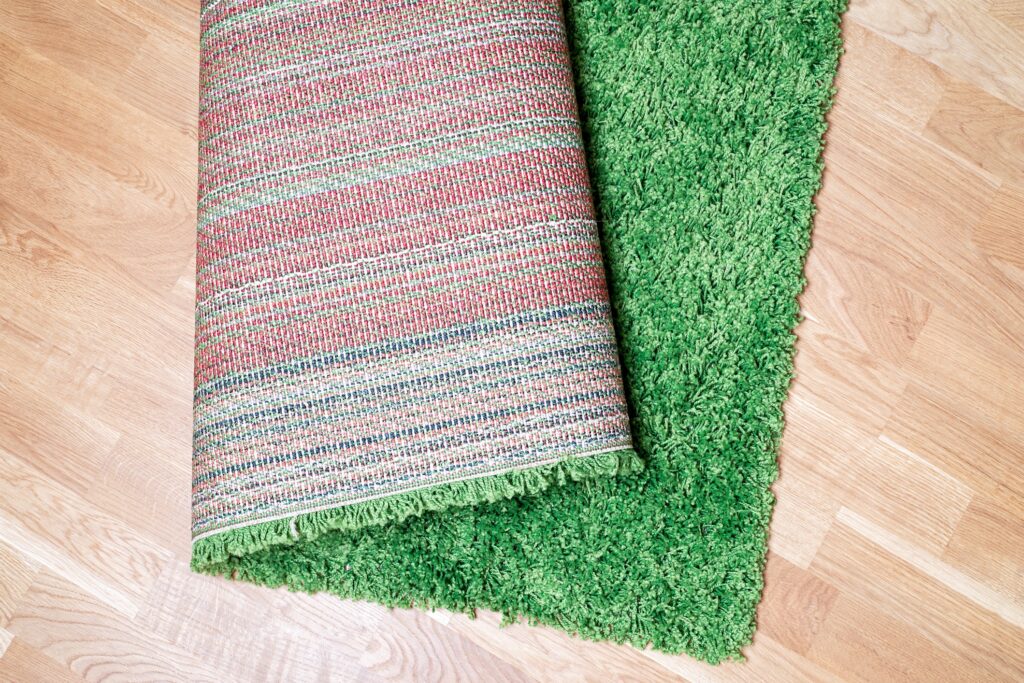
Frayed or unfinished carpet edges can detract from the appearance of your flooring and lead to further damage over time, but how do you fix carpet edges? How do you keep a carpet from fraying? Whether you’re dealing with wall-to-wall carpeting, area rugs, or carpet remnants, properly finishing the edges is essential for durability and aesthetics. This guide will walk you through various carpet edge finishing options, including binding, serging, and DIY solutions like Instabind, to help you choose the best method for your project.

Understanding Carpet Edge Finishing

Carpet edge finishing involves applying a protective and decorative treatment to the raw edges of a carpet to prevent fraying and enhance its appearance. The method you choose depends on the carpet’s location, usage, and your desired look.

Carpet Binding

Carpet binding is a process where a fabric or tape is sewn or glued to the carpet’s edge, providing a clean and durable finish. It’s a popular choice for creating area rugs from carpet remnants or finishing the edges of custom-sized rugs.

Types of Carpet Binding Materials

  • Cotton Binding Tape: Offers a natural look and is available in various widths (e.g., 3/4″, 1-1/4″, 3″, 5″) to suit different styles.
  • Polyester Binding Tape: Known for its durability and colorfastness, making it suitable for high-traffic areas.
  • Faux Leather Binding Tape: Provides a sophisticated appearance, ideal for upscale interiors.
  • Veltron Poly Binding: A synthetic option that offers strength and a sleek finish.
  • Fringe: Add a fringe to a rug for decoration or replace a damaged fringe already on the carpet.

Bond Products offers a wide range of binding tapes to match your carpet’s color and texture, ensuring a seamless look.

Carpet Serging

Carpet serging involves wrapping yarn around the carpet’s edge, creating a continuous, overlocked stitch that resembles a hand-sewn finish. This method adds a touch of elegance and is commonly used for higher-end rugs.

Serging Options

  • Cotton Serging Yarn: Provides a traditional, soft finish.
  • Nylon Serging Yarn: Offers increased durability and is available in various colors.
  • Serging Tape: Simplifies the serging process and ensures uniformity.

Bond Products supplies both the materials and equipment needed for serging, catering to professionals and DIY enthusiasts alike. 

DIY Carpet Edge Finishing with Instabind

For those seeking a do-it-yourself solution, Instabind offers an easy and cost-effective way to finish carpet edges without sewing. This adhesive-based binding tape allows you to create a professional-looking edge using basic tools like scissors and a hot glue gun.

Instabind Styles

  • Regular Binding Style: Mimics traditional binding without visible stitching.
  • Cotton Binding Style: Provides a natural, soft appearance.
  • Synthetic Serge Style: Replicates the look of machine serging.
  • Cotton Serge Style: Offers a handcrafted serged finish.
  • Rope Edge Style: Adds a decorative, nautical flair.
  • Faux Leather Binding: Delivers a luxurious leather-like look.
  • Fringe Binding Style: Enhances rugs with a classic fringe.
  • Outdoor Marine Style: Designed for outdoor and marine environments.
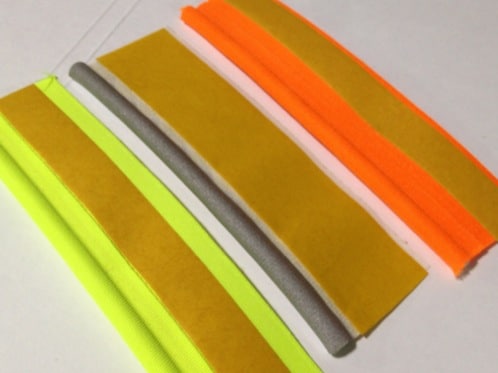
  • Safety Edge Style: Features a reflective strip for increased visibility.

Each Instabind style is designed for specific applications, allowing you to customize your carpet’s edge to match your decor and functional needs.

We also offer an Instabind Starter Kit if you’d like to try carpet binding with a number of projects and styles. Our rule of thumb for selecting a binding is: if it’s a cotton or wool rug or carpet, use a natural (cotton) binding or serging style. If it’s a synthetic rug or carpet, use a synthetic binding or serging style. The highest quality look will still be the cotton one, but the synthetic Instabind looks great too.

Attach Instabind to a Carpet

Step 1

Assemble your tools: a hot glue gun, scissors, and clear tape.

Step 2 

Use a carpet cutter and a straight edge to trim off any strings or frayed pieces along the sides of the carpet and make sure that its sides are straight. 

Step 3

Take the Instabind you’ve chosen and make a clean cut. 

Step 4 

Pull back the paper on the Instabind and begin applying it to the carpet in the middle of one cut edge. Extend the Instabind past the corner of the carpet, and, using the corner as a guide, snip the flat part of the Instabind, stopping at the piping. With the paper turned back, overlap the backing while rounding the corner. Continue around the carpet until you return to the beginning. You can readjust if necessary at this stage in the project. Using your starting point as a guide, make the finishing cut with your scissors and trim any excess strings.

Step 5

Seal the beginning and ending pieces of the Instabind together with a bead of hot glue. Now apply a ⅛” bead of hot glue between the edge of the Instabind and the carpet and hold in place a few minutes to let the glue set. Continue this process all the way around the carpet. For a more finished looking back, trim the Instabind backing at a 45 degree angle.

Step 6

Put your beautiful new bound piece of carpet in the place you’ve selected for it in your home.

That’s all there is to it. With the Instabind attached, you should have no problems with your carpet edges fraying!

Choosing the Right Edge Finishing Method

When deciding how to finish your carpet edges, consider the following factors:

  • Location: High-traffic areas may benefit from durable binding or serging.
  • Aesthetics: Choose a finish that complements your interior design.
  • Budget: DIY options like Instabind can be more cost-effective.
  • Skill Level: Assess whether you prefer a professional installation or a DIY approach.

FAQs

Q: Can I install carpet binding myself?
A: Yes, with products like Instabind, you can achieve professional-looking results without specialized equipment.

Q: How do I choose between binding and serging?
A: Binding is typically more durable and straightforward, while serging offers a more refined, decorative finish.

Q: Where can I purchase carpet edge finishing materials?
A: Bond Products provides a wide range of binding tapes, serging yarns, and DIY solutions like Instabind through our website.

Properly finishing your carpet edges not only enhances the appearance of your flooring but also extends its lifespan. Whether you opt for traditional binding, elegant serging, or a DIY solution like Instabind, Bond Products has the resources and expertise to help you achieve the perfect finish for your carpets.

How to Fix Carpet Edges: A Complete Guide to Carpet Binding and Edging Read More »

install artificial turf

What Do You Need to Install Artificial Turf?

Installing artificial turf can transform your outdoor space into a low-maintenance, evergreen area. Whether you’re creating a backyard oasis, a pet-friendly zone, or a play area, proper installation is key to ensuring longevity and aesthetic appeal. Here’s a comprehensive guide to help you through the process.

What Is Artificial Turf Exactly?

First of all, it helps to understand how turf is made and what it’s constructed of so that you will not be tempted to skip steps or use the wrong materials. Artificial turf is an investment. It costs money to put in, but after that, unlike a lawn that needs to be watered, fertilized, and mowed, it’s free. So what is artificial turf?


The Synthetic Turf Council describes artificial turf as “a grass-like ground cover that replicates natural grass.” It is composed of synthetic filaments of nylon, polyethylene, or polypropylene threaded through a backing that is designed to let water through. There are many types of artificial grass and these vary in appearance and quality, but these mimic the types of grasses that grow in different geographical areas. 

Installing Your Artificial Turf

Preparing the Ground

You need a solid foundation for artificial turf installation. Your first step will be removing existing grass, weeds, and debris. Use a sod cutter or tiller to clear the area thoroughly. Next, lay down a base layer of crushed aggregate, approximately 2 to 4 inches thick, to facilitate drainage and provide stability. Compact the base to create a smooth surface. Finally, install a weed barrier fabric over the base to prevent unwanted plant growth. 

Laying and Securing the Turf

Roll out the artificial turf over the prepared area, allowing it to acclimate for a few hours. Trim the edges using a sharp utility knife to fit the space precisely. When joining multiple pieces, ensure the grain of the turf fibers aligns for a seamless appearance.

Seaming the Turf

For joining turf sections, Bond Products offers a hot melt turf seaming method that simplifies the process:

  1. Turf Tape: Place Bond’s turf tape along the seam line.
  2. Seaming Iron: Use a high-temperature seaming iron to activate the adhesive on the tape.
  3. Seam Sled: Use a seam sled to press the turf into the adhesive, ensuring a strong bond and straight seam.

This method eliminates the need for messy glues and provides a durable, weather-resistant seam.

Securing the Turf

Anchor the turf to the ground using 6-inch galvanized nails, spaced every 6 inches along the perimeter and seams. This prevents movement and ensures the turf remains flat and secure.

Applying Infill

Infill materials, such as silica sand or crumb rubber, are spread over the turf to help the blades stand upright and provide cushioning. Use a drop spreader to distribute the infill evenly, then brush the turf with a stiff broom to work the infill into the fibers. This step enhances the turf’s appearance and performance.

Maintenance Tips

Artificial turf requires minimal upkeep:

  • Regular Cleaning: Remove debris and rinse the turf with water to keep it clean.
    Brushing: Periodically brush the turf to maintain the upright position of the fibers.
  • Infill Top-Up: Check infill levels annually and replenish as needed to ensure optimal performance.

FAQs

Q: Can I install artificial turf myself?
A: Yes, with the right tools and preparation, you can install artificial turf yourself.

Q: How long does artificial turf last?
A: High-quality turf can last 15 to 20 years with proper maintenance.

Q: Is artificial turf pet-friendly?
A: Absolutely. It’s durable, easy to clean, and resistant to pet waste.

Q: Where can I purchase installation tools and materials?
A: Bond Products offers a comprehensive range of turf installation supplies, including turf tape, seaming irons, and seam sleds.

Good luck with your artificial turf project. Don’t hesitate to call Bond Products at (888) 800-2663 if you have questions. Our team is here to assist you with all your artificial turf installation needs.

What Do You Need to Install Artificial Turf? Read More »

all of the different styles of Instabind

How to Best Use All of the Styles of Instabind Carpet Binding

WIf you’re looking to finish the edges of a rug or leftover piece of carpet without hauling it to a shop or sewing it yourself, Instabind is your new best friend. It’s a no-sew carpet binding solution from Bond Products that lets you create a polished, professional edge with nothing more than scissors, glue, and a bit of patience.

But did you know there are nine different styles of Instabind? Each one is designed for a specific look or use – whether you’re working on a fancy rug, a rugged outdoor mat, or something creative in between.

In this blog post, we’ll walk you through how to best use all the styles of Instabind carpet binding, so you can pick the one that works best for your next project.

What Is Instabind?

Before we jump into the different styles, here’s a quick refresher: Instabind is an adhesive-based carpet binding tape that wraps around the edge of your carpet and gets glued down. There’s no sewing required. It gives you the look of traditional binding or serging without the need to purchase a carpet binder or to hire a professional to bind your carpet.

1. Instabind Regular Binding Style

The All-Purpose Classic

This is the original Instabind, and it works well for just about any carpet. It gives you a clean, straight edge that looks like the traditional binding done with a sewing machine. Regular Binding style Instabind is best used for:

2. Instabind Cotton Binding Style

Soft and Natural

Looking for something a little softer and more natural? The cotton version has a smooth, traditional finish that feels great underfoot. Cotton Binding style Instabind is best used for:

3. Instabind Synthetic Serge Style

Instabind feedback

Built Tough

This one mimics machine serging (those tight yarn wraps you see on fancy rugs), but it’s synthetic and durable. It’s perfect for high-traffic areas or homes with pets. Synthetic Serge style Instabind is best used for:

  • Synthetic rugs
  • High-traffic rooms like hallways
  • Rugs for kids or pet areas
  • Anywhere durability is key

4. Instabind Cotton Serge Style

The Softer Side of Serging

This style also gives you that yarn-wrapped serged look, but with natural cotton. It’s more elegant and works well for more refined spaces. Cotton Serge style Instabind is best used for:

  • Cotton or wool rugs
  • Handmade-style area rugs
  • Upscale or vintage rugs
  • Decorative carpet projects

5. Instabind Rope Edge Style

Make It Nautical or Decorative

With a rope-like trim, this Instabind style is for the bold. It adds a pop of texture and looks great in themed rooms or creative interiors. Rope Edge style Instabind is best used for:

  • Beach house rugs
  • Nautical-themed rooms
  • Decorative edges that need to stand out

6. Instabind Faux Leather Binding

faux leather carpet binding

High-End on a Budget

If you want that rich leather look without the cost or maintenance, Faux Leather Instabind gives your rug a luxury finish without the sewing or the hassle. Faux Leather Binding style Instabind is best used for:

  • Office or den rugs
  • Custom hallway runners
  • Stylish DIY mats

7. Instabind Fringe Binding Style

Instabind Fringe Style

Add a Classic Touch

Fringe adds character and charm to rugs, especially oriental or vintage styles. This binding style lets you do it yourself, even if you’re not a sewing pro. Fringe style Instabind is best used for:

  • Oriental rug restorations
  • Antique-style carpet projects
  • Adding personality to handmade rugs

8. Instabind Outdoor Marine Style

marine carpet binding

Built for the Elements

Planning to bind carpet for a patio, deck, or boat? This Instabind version is UV- and moisture-resistant, so it can stand up to outdoor conditions. Outdoor Marine style Instabind is best for:

  • Marine carpets
  • Outdoor area rugs
  • Covered porches or sunrooms

9. Instabind Safety Edge Style

Safety Meets Style

This unique style has a reflective edge that helps increase visibility. It’s great for low-light areas or industrial spaces where safety matters. Safety Edge style Instabind is best for:

  • Commercial entry mats
  • Garage or warehouse rugs
  • Stair treads in dim areas

FAQs About Instabind Carpet Binding


Q: Is Instabind easy to install?

Yes! Instabind is designed for DIY use. You just cut the length you need, stick it to the carpet edge, wrap it, and glue it in place.

Q: What tools do I need to use Instabind?

Scissors, a hot glue gun or strong adhesive, and maybe some painter’s tape to help guide your corners. That’s it!

Q: Can I use Instabind on curved carpet edges?

Yes, most styles—especially cotton and regular binding—are flexible enough for gentle curves. Just take your time and work slowly.

Q: How durable is Instabind?

Very! Especially styles like synthetic serge or marine binding, which are designed for heavy wear or outdoor use.


FAQs About Bond Products

Q: What is Bond Products?

Bond Products is a trusted, family-owned company based in Philadelphia. We’ve been supplying tapestries, tapes, carpet binding tools and machines in one form or another since 1910.

Q: Can I buy directly from Bond Products?

Yes! You can order all Instabind styles and other supplies online or by phone during our working hours.

Q: Do you offer bulk pricing or wholesale options?

Yes—if you’re a contractor, flooring company, or reseller, contact Bond Products directly for volume pricing and shipping options.

Q: Do you offer support for using your products?

Absolutely. Our team of experts is friendly and happy to help. Just give us a call at 1-888-800-BOND!

Final Thoughts: Which Instabind Style Is Right for You?

Whether you’re fixing up an old rug, creating a new one from scratch, or adding a personal touch to your space, Instabind makes carpet binding easy. With nine unique styles to choose from, there’s something for every project – indoors, outdoors, fancy or functional.

Explore the full Instabind collection on our website, and don’t hesitate to reach out with questions. We’re here to help you finish strong!


How to Best Use All of the Styles of Instabind Carpet Binding Read More »

RV carpeting

RV Carpet Binding – Replace Your Worn RV Carpet with Instabind!

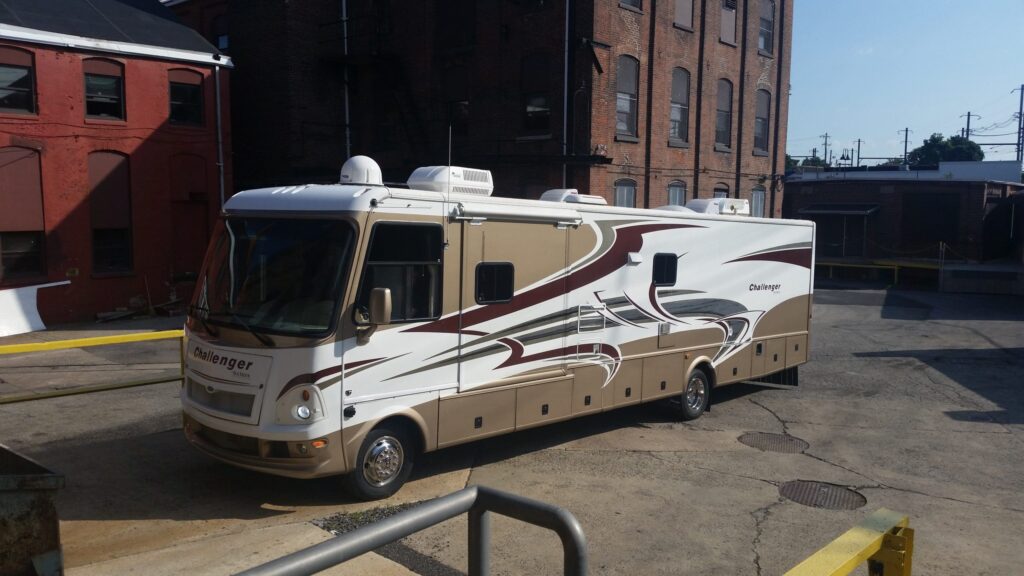
​If you’re updating your RV’s carpet or just replacing a worn section of carpet in your recreational vehicle, you’ve probably run into a very common problem—what to do with the raw carpet edge. That’s where carpet binding comes in. Whether it’s a slide-out section, an engine cover (also called a doghouse), or just a small high-traffic spot near the door, binding your carpet gives it a clean, finished look that lasts. And the good news? You’ve got options for your RV carpet binding. From DIY-friendly products like Instabind to professional binding services, it’s easier than ever to get polished results without a full flooring overhaul.

What Is Carpet Binding in an RV?

Carpet binding is a process that finishes off the cut edge of carpet so it doesn’t fray or fall apart over time. Think of it like hemming the edge of fabric. It not only keeps the carpet from unraveling, but also makes it look neat and intentional – perfect for those tricky spots in RVs where the carpet doesn’t run wall to wall.

Common Carpet Binding Spots in RVs

Slide-Out Sections

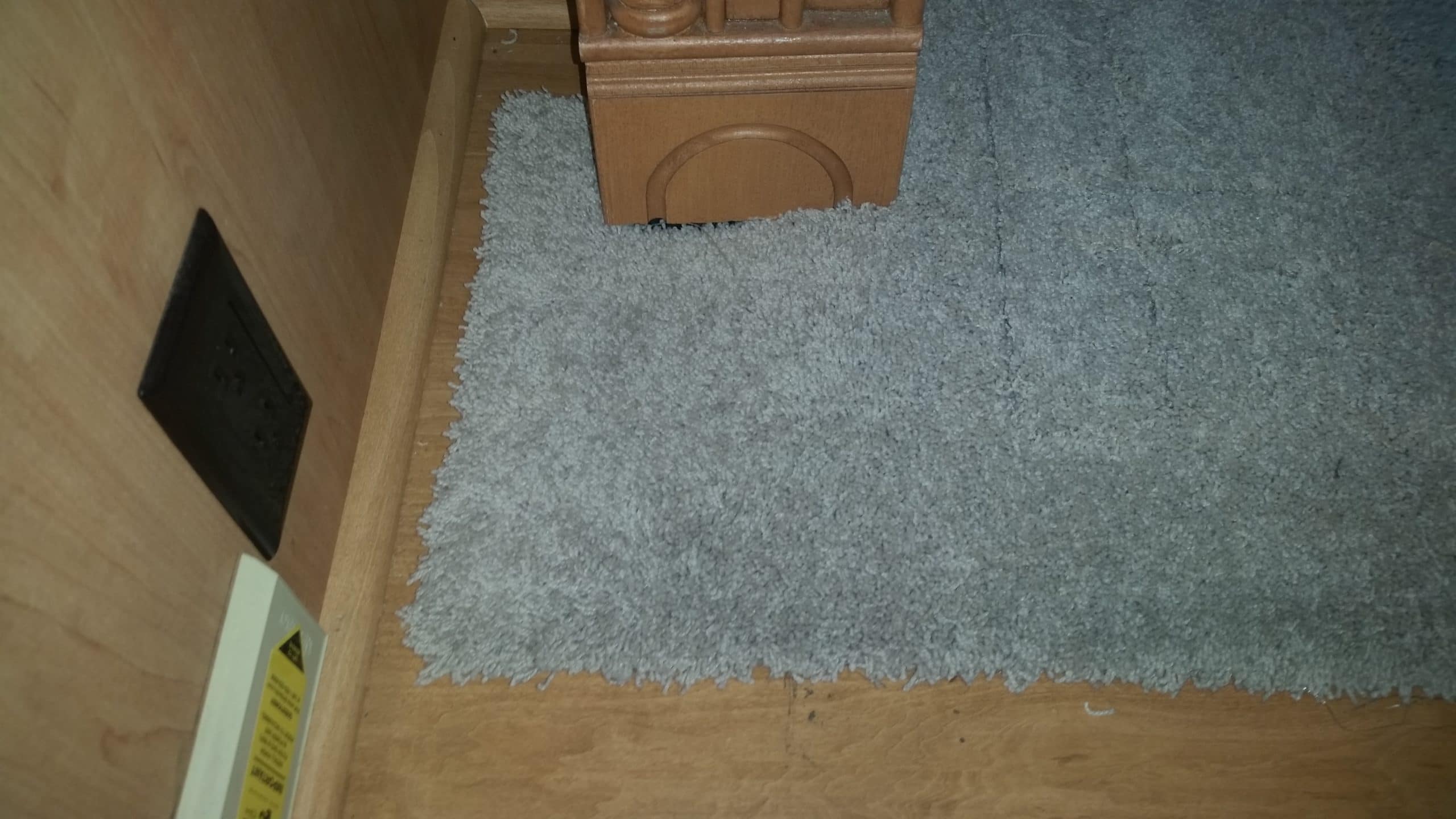
If your RV has slide-outs, you know the carpet in those areas can take a beating. Many times, the edge of the slide-out carpet overlaps the main floor. Instead of leaving it raw, you can bind that edge so it holds up better over time and looks cleaner.

Engine Cover or “Doghouse”

This part usually has curved or odd shapes, which makes cutting and finishing it a bit more complicated. A flexible binding material like Instabind is a great choice here, especially if you’re doing it yourself.

Entry Steps and High-Wear Areas

Steps and doorway areas see a lot of foot traffic. Binding the edges of any carpet pieces on steps and stairs will prevent wear and tear and keep things looking tidy.

DIY Carpet Binding with Instabind

If you’re not up for hauling your carpet to a shop or hiring someone to professionally bind your carpet? No problem. Instabind is a carpet binding tape that’s easy to apply at home. It mimics the look of traditional machine binding but doesn’t require any sewing.

Just cut, peel, stick, wrap, and glue, and your carpet is ready to go.

Why RV Owners Love Instabind:

  • It’s fast and easy to use

  • Comes in lots of styles and colors

  • Works great for curved shapes like engine covers or steps

  • Saves money

If you’ve got leftover carpet from your RV or a custom-cut piece you want to finish, Instabind is one of the easiest ways to turn a carpet remnant into a rug.

Prefer to Have It Done Professionally?

You can also take your carpet piece to your local carpet shop and have them cut and bind it for you. This is a great option if you want the job done quickly and don’t want to mess with cutting tools or glue. If you are in the Philadelphia area, Bond Products would be happy to bind your rug for you.

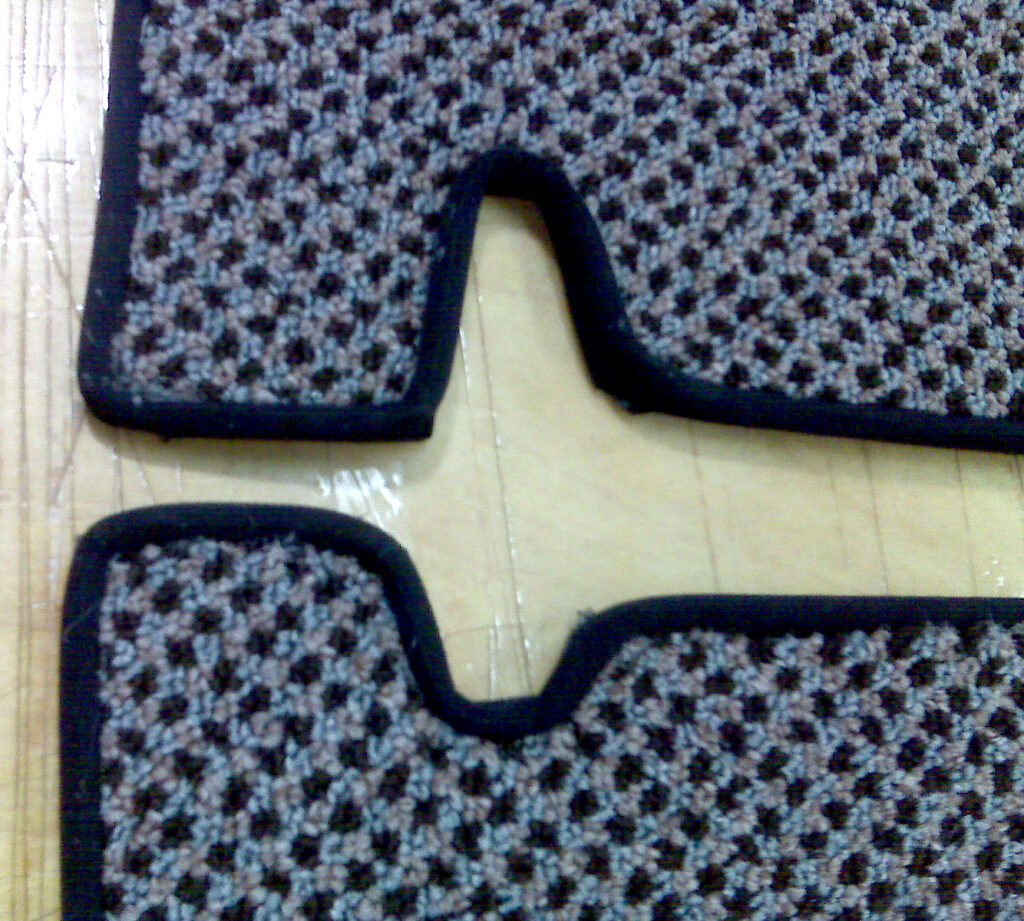
Here’s the work we did for a customer who came in with a restored RV but with raw carpet edges on his slid outs:

RV carpet binding 2RV carpet binding 1

RV carpet binding final


We removed the old carpet, bound the new, and seamed it where needed, and made one happy camper’s day!

Pro tip: Always ask what the binding will cost. Prices can range widely, so make sure to determine the cost upfront to see if it matches your budget.

Tips for Binding RV Carpet

  • Use your old carpet as a pattern – It’ll help with odd shapes like around slide-outs or steps.

  • Match your colors carefully – You want the binding to blend in or complement your RV’s interior.

  • Don’t skip securing the edges – Whether you’re gluing or stapling, make sure it’s fastened well so it holds up over time.

  • Be patient with curves – Flexible binding like Instabind makes it easier, but curves can still be tricky. Go slow!

RV Carpet Binding FAQs

Q: Can I bind my RV carpet myself?
Yes! Instabind is perfect for DIYers and doesn’t require a binding machine. It’s strong, flexible, and easy to use.

Q: Do I have to bind all the edges in my RV?
Not necessarily. But for any visible or high-traffic edge – like in a slide-out or near the door – binding really helps with durability and appearance.

Q: How much does professional carpet binding cost?
Usually between $1–$4 per foot, depending on the material and your local shop. It’s best to call ahead and get a quote.

Q: What if my carpet has curves or odd shapes?
That’s where Instabind really shines. It wraps easily around curves and corners without bunching or fraying.

Q: Where can I get Instabind?
You can order it directly from Bond Products. We offer a wide variety of colors and styles, including options that look like traditional serging or fringing.

Don’t Forget the Finishing Touch!

If you’re replacing or customizing carpet in your RV, don’t forget the finishing touch, a clean, bound edge. It will help your carpet last longer, look better, and keep it from unraveling over time.

Whether you choose a DIY solution like Instabind or get your carpet finished by a professional, carpet binding is a small step that makes a big difference. And at Bond Products, we’ve got everything you need to get the job done right. If you have questions, give us a call at 1-888-800-BOND. We’re happy to help!

RV Carpet Binding – Replace Your Worn RV Carpet with Instabind! Read More »

best flooring for allergies

Best Flooring for Allergy Sufferers: What to Know This Spring

Spring brings its welcome return of warmer days, blooming flowers, and more sunlight. We throw open the windows, deep clean our homes, and start thinking about remodeling or refreshing our interiors. But while spring is a time of renewal for many, it can also be a difficult season for allergy sufferers. What is the best flooring for allergies?  

In a previous post, we discussed how wool rugs affect allergies. Now, as pollen levels rise, we’ll take a closer look at how different flooring options can impact indoor air quality and your health. Before you start your next home improvement project, like turning a carpet remnant into a custom rug or restoring a vintage rug, it’s worth understanding how flooring choices can either trap or reduce allergens.

Are Carpets Bad for Allergies?

It’s a common belief that carpets are bad for people with allergies, but the truth is more nuanced. All flooring surfaces accumulate allergens. Hard floors—like hardwood, tile, or laminate—are easier to clean since you can quickly sweep or vacuum away dust and pollen. That makes them a practical choice for allergy sufferers.

But not all carpet is created equal. If you prefer carpet or rugs, tightly woven varieties are better than loose weaves, and shorter fibers trap fewer allergens than shag or plush styles. Avoid high-pile rugs and carpets, especially if allergies are a concern.

Another smart choice is synthetic carpet made of nylon or polyester. These fibers are resistant to moisture, making them less appealing to mold and mildew. Just be sure to vacuum frequently, especially during allergy season. Since allergens are heavy and tend to fall to the floor, consistent vacuuming is essential to keeping your home allergen-free.

Deep Cleaning and Maintenance

Spring is the perfect time to thoroughly clean your carpets. If you own an antique or high-value rug, skip the DIY shampooing and call a professional. Using the wrong method or chemicals can permanently damage delicate fibers. Professional rug cleaners have the expertise and equipment to remove dirt, allergens, and odors without harming your investment.

Check for Damage While You Clean

As you’re spring cleaning, take a few moments to inspect your carpets and rugs. Are there snags, holes, or worn bindings? Early repair is always easier than dealing with large areas of damage. Worn or unraveling edges can often be repaired at home with products like Instabind or traditional binding tape. If the damage is more extensive, Bond Products offers professional-grade supplies and can assist with your repair needs.

Ready to Freshen Up?

Spring is a time to breathe new life into your home. Choosing the best flooring for allergy sufferers—whether that means using a bound natural-fiber rug, cleaning your synthetic carpet, or simply repairing worn edges—can make a big difference in how you feel. Clean, allergen-free flooring supports both your comfort and your health.

If you’re looking for binding, backing, or rug repair supplies this spring, Bond Products has everything you need. Contact us at 1-888-800-BOND with questions. We’re always happy to help.


Spring Carpet Cleaning & Allergy Prevention FAQ

What types of carpet are best for people with allergies?

Low-pile, tightly woven carpets made from synthetic fibers like nylon or polyester are best for allergy sufferers. These materials don’t trap allergens as easily and are less likely to harbor mold or mildew.

Are hard floors better than carpets for allergy sufferers?

In general, yes. Hard flooring surfaces like hardwood, tile, or laminate are easier to clean and do not trap dust, pollen, or pet dander. However, with the right type of carpet and regular cleaning, allergy-friendly carpet is achievable.

How often should carpets be vacuumed to reduce allergens?

Weekly vacuuming is recommended, or more frequently during high pollen seasons. Use a vacuum with a HEPA filter to trap allergens effectively.

Can I clean antique rugs myself during spring cleaning?

No. Antique or high-value rugs should be professionally cleaned to avoid damage. DIY methods or over-the-counter cleaners can ruin delicate fibers or dyes.

Is shampooing carpets necessary, or is vacuuming enough?

Vacuuming is essential for removing surface allergens, but deep cleaning (shampooing or steam cleaning) should be done at least once or twice a year to remove embedded allergens and grime.

How can I prevent allergies from carpet during spring?

  • Use synthetic carpets with tight weaves
  • Avoid shag or high-pile rugs
  • Vacuum frequently with a HEPA-filter vacuum
  • Have rugs professionally cleaned
  • Use allergen-blocking rug pads or backing

When should I repair carpet damage found during spring cleaning?

As soon as possible. Small snags, holes, or unraveling edges are easier and cheaper to fix when caught early. Addressing these issues now prevents bigger repairs or replacement later.

What should I do if my carpet edges are fraying?

You can replace worn binding with Instabind from Bond Products. It offers a professional-looking, DIY-friendly edge binding solution available in multiple styles and colors.

Can Bond Products help with allergy-friendly carpet maintenance?

Absolutely. Bond offers tools and materials for binding, repairing, and restoring carpets in ways that can reduce dust and allergens. Our customer service team can help you select the best products for your specific needs.


Best Flooring for Allergy Sufferers: What to Know This Spring Read More »

Buy products that are made in America like Instabind.

Top 5 Reasons to Buy American Made Products like Instabind

“Buy American” has been a slogan people have heard for decades now, but do you know the reasons why Americans should buy American products? There are many, but here are the five most important:

Safety Standards

American manufacturers have to provide their workers with a safe environment in which to work. They cannot work them beyond a specific number of hours, and child labor in factories is prohibited. Sweatshop conditions that exploit children and women are not legal in America.

Fairness in Labor

American made products must comply with strict regulations and undergo rigorous testing before being offered for sale. In foreign countries the standards for both labor and products are often much laxer, and products may contain unsafe levels of toxins like lead. Buying American made products means supporting better standards for consumers. It also gives consumers a much better chance to address problems or grievances in the event that product failure occurs.

Jobs and Fair Wages for Other Americans

When you buy American made products, you are making the choice to employ other Americans. The U.S. Government mandates a specific minimum wage, unlike most other countries around the world. When American businesses and American workers are supported by your product choices, the money they earn goes back into our own economy – which means more workers are employed. A virtuous cycle begins.

Environmental Conservation

Not only do many other countries have lower environmental standards for manufacturing than America does, but the petroleum necessary to fuel the huge tankers that carry products from elsewhere in the world to the U.S. uses up a finite resource. These tankers emit pollutants into the atmosphere as well. Again, U.S. production methods must comply with safety regulations and they must also comply with regulation for waste disposal.

American Independence

When we as Americans produce and buy American made products, our economy operates independently. This means that we are not at the mercy of foreign governments or companies who might choose to limit trade to accomplish other political goals. Our country is free act in our own best interest.

As of April 2025, significant changes in U.S. trade policy have introduced new tariffs on imported goods, impacting various industries, including flooring and carpet accessories. These developments underscore the importance of supporting American-made products like Instabind, which offer quality, affordability, and reliability without the price complications associated with international trade.

Bond Products manufactures all of our cotton carpet binding tapes here in Philadelphia in our 100+ year old textile weaving mill. We are proud to be an American business and employer. Call us for all of your carpet, area rug, and flooring needs! 

Top 5 Reasons to Buy American Made Products like Instabind Read More »

fix a tear in a rug

Interior Rug Repairs: How to Fix a Tear in a Rug

Even the highest-quality rugs eventually show signs of wear. While frayed edges and worn binding are common problems, tears, holes, or worn spots in the middle of a rug can be even more frustrating. These issues make a rug unsafe to walk on, cause further unraveling, and can ruin its appearance. The good news? Fixing a tear in a rug is absolutely possible with the right approach and tools. 

Whether you’re dealing with a rip in the backing, a weakened area from foot traffic, or a tear from moving furniture, reinforcing the rug from the inside out can add years to its life.

Here’s how to repair damaged or worn areas in the interior of your rug.

Interior Rug Repairs: A How-To Guide

1. Start from the Backing

Interior rug repairs are most successful when addressed from the back side first.

  • Flip the rug over to expose the backing.
  • Examine the torn or weak area carefully to see how far the damage extends.
  • If the rug backing is frayed or separating, Bond #943 Flexible Seam Tape is your best solution.

How to Use #943 Flexible Seam Tape:

  1. Cut a piece of tape slightly larger than the damaged area.
  2. Place the tape adhesive-side down on the rug backing.
  3. Using a hot flat iron, press the tape firmly to bond it to the backing.

This creates a strong, flexible reinforcement that prevents the tear from spreading and stabilizes the area for long-term use.

2. Reinforce the Entire Rug

If your rug has multiple weak spots or is thinning across a high-traffic area, consider reinforcing the entire backing for maximum durability.

  • Apply a secondary non-slip rug backing to the underside.
  • Use Bond spray adhesive or latex glue to attach it securely.
  • This method not only stabilizes problem areas but also strengthens the rug overall, preventing new tears from forming.

A reinforced rug backing makes the surface safer, more stable, and more resistant to everyday wear.

3. Inspect the Front and Blend the Repair

After stabilizing the rug from the back, check the surface of the repair:

  • Smooth out fibers with your hands to help blend the area.
  • For decorative rugs with pile loss or missing fibers, consider tuft repair or filling the gap with fibers matched to your rug. (For major aesthetic repairs, a professional finisher may be needed.)

4. Don’t Forget About Frayed Edges

While repairing the interior of your rug will keep it stable and safe, frayed edges can quickly make a rug look worn again. Bond Products has everything you need to refresh and protect rug edges, including:

These solutions not only improve the appearance of your rug but also reinforce the edges to prevent future unraveling.

5. Protect Your Repair for Years to Come

Once your interior repair and any edge binding are complete:

  • Rotate your rug periodically to distribute traffic evenly.
  • Use a quality rug pad to reduce friction and add cushioning.
  • Check your rug every few months to catch small issues early.

Extend the Life of Your Rugs

Rips and worn spots in the middle of your rug don’t mean it’s time to throw it out. In fact, fixing a tear in a rug has never been easier. With Bond #943 Flexible Seam Tape, secondary backing materials, and Instabind® edge solutions, you can stabilize, repair, and protect your rugs for many more years of use. 

Not sure which repair method or product is right for your rug? Call 1-888-800-BOND for expert guidance. Our team specializes in helping DIYers and professionals keep their rugs looking beautiful.


Interior Rug Repairs: How to Fix a Tear in a Rug Read More »

Carpet Binding vs. Carpet Serging: What’s the Difference?

When finishing the edges of an area rug or custom carpet piece, two popular techniques are used: carpet binding and carpet serging. Both methods help prevent fraying and enhance the durability of your rug, but they offer different looks, costs, and applications. In this guide, we’ll break down carpet binding vs. carpet serging, so you can confidently choose the right finish for your next rug or carpet project.

The Basics of Carpet Manufacture

Because of the way carpet is manufactured, purchased, and cut, it needs to be bound in some way – both to keep it from coming apart at the edges and to make it look nice. This is where binding and serging play a role.

Where traditional area rugs are a form of fabric craft and can be rolled tightly and moved, modern mass-produced carpet is made to stay put and look smooth and uniform. The backing on carpeting you buy by the foot is tough. In addition to the face yarn – the part you see and walk on – the reverse side of the carpet has a primary backing and then, potentially, a high performance pre-coating, a thermoplastic compound, fiberglass reinforcement, and another layer of thermoplastic compound. At the very least there’s a latex layer and a secondary backing. It’s supposed to help the carpet to lay there and lay flat until you don’t want it there any more and rip it up, and replace it.

The problem is that with carpeting being so stiff, binding it isn’t as easy as whip stitching the edge. This is why Bond Products offers a number of binding and serging solutions. 

What Is Carpet Binding?

Carpet binding involves sewing a strip of fabric—made from polyester, cotton, or synthetic material—along the raw edge of a carpet. This binding tape is folded over the edge and stitched in place using a carpet binder, which creates a clean, secure finish. The width of the binding is usually ¼ to ⅜ths of an inch and generally the color of the binding is matched to the most noticeable color in the carpet itself. 

Key Features of Carpet Binding:

At Bond Products, we offer both stationary and portable carpet binding machines, along with a full line of binding tapes and accessories.


What Is Carpet Serging?

Carpet serging is a process where continuous yarn is sewn around the carpet’s edge, creating a wrapped, overlocked appearance. It closely resembles the look of a traditional whip stitch, except that the yarn on the edge is very close together and it’s done by machine. The width of the serging is traditionally ⅜ths of an inch, and the yarn is chosen to match the carpet as well. 

Key Features of Carpet Serging:

  • Decorative, upscale appearance
  • Mimics hand-stitched finish
  • Yarn color is usually matched to the carpet
  • Ideal for high-end rugs and oriental rug restorations

Bond Products offers high-quality portable serging machines and a wide selection of serging yarns in various colors and styles.


Carpet Binding vs. Carpet Serging: Side-by-Side Comparison

carpet binding vs. carpet serging

When to Choose Binding or Serging

Choose Carpet Binding If:

  • You’re looking for a cost-effective solution
  • You’re binding carpet remnants or runners
  • You want a clean, subtle finish

Choose Carpet Serging If:

  • You want a high-end, decorative finish
  • You’re restoring oriental rugs
  • You’re creating a custom rug for a luxury space

Some people prefer the look of a bound carpet edge to a serged one, but it’s a matter of taste. Both are permanently attached and give a cut piece of carpet a more finished, elegant look. The goal of binding and serging is ultimately the same: to extend the life of the carpet and make it look nice.

FAQ: Carpet Binding vs. Carpet Serging

What’s the main difference between carpet binding and carpet serging?

Binding uses a fabric tape stitched onto the edge, while serging uses yarn wrapped and sewn continuously around the edge.

Is carpet serging more durable than binding?

Both are durable, but serging offers a more seamless finish, which may better resist wear in high-end or heavily used rugs.

Which is more cost-effective?

Carpet binding is generally more affordable, making it ideal for large projects or budget-conscious clients.

Can I do carpet binding or serging myself?

Yes! With the right tools, including portable machines available from Bond Products, both can be done in a workshop or on-site.

For the weekend DIYer, there’s Instabind. With scissors, a hot glue gun, tape, and binding tape, you can glue on a professional looking binding for whatever smaller carpeting projects you want to tackle.

Does Bond Products sell carpet binding and serging supplies?

Absolutely. We offer binding and serging equipment and all the supplies needed for these jobs, whether that is binding tapes, serging yarn, thread, bobbins, or needles.

Final Thoughts: Which Should You Choose?

When comparing carpet binding vs. carpet serging, your choice depends on the look you want, your budget, and how the rug will be used. Binding is fast, clean, and budget-friendly. Serging is refined, seamless, and perfect for statement pieces.

Still not sure which option is right for your project? Contact Bond Products at 1-888-800-BOND—we’re happy to help you select the best equipment and materials for the job.


Carpet Binding vs. Carpet Serging: What’s the Difference? Read More »

tapestry binder Model-PBLTX

What Is a Carpet Binder?

If you’ve ever had a carpet cut to size or turned a carpet remnant into a beautiful area rug, chances are a carpet binder was involved in the process. But what exactly is a carpet binder—and how does it help turn a raw piece of carpet into something polished, functional, and long-lasting? Here we will break down what a carpet binder is, how carpet binding works, and why it’s an essential part of finishing carpets. 

Whether you’re a flooring professional, a business owner looking to expand your service offerings, or just curious about DIY carpet work, this guide will help you understand everything you need to know.

What Is a Carpet Binder?

A carpet binder is a machine that finishes the raw edges of carpet by attaching a strip of fabric, tape, or yarn to prevent fraying and create a clean, professional edge. There are different types of carpet binders, but these machines are a vital part of the carpet binding process, which transforms cut carpet into finished area rugs, runners, stair treads, and more.

Carpet binders come in two main types: stationary and portable. Each has its own strengths, depending on the job size and workspace.

What Is the Difference Between a Stationary and a Portable Carpet Binder?

Stationary Carpet Binders

A stationary carpet binder stays in one place while the carpet is fed through the machine. These are typically found in workshops or production environments where there’s enough room to move large carpet pieces across a table. Bond Products’ Model TMB-1 Double Puller Binder is a powerful example that even includes fringing capabilities for high-end or oriental rugs.


Best for: High-volume work, custom rug production, or commercial settings.

Portable Carpet Binders

Portable carpet binders are moved around the carpet’s edge by the operator. They’re great for large rugs, onsite installations, or smaller workspaces. Bond Products’ PBB-1X Bobbinless Portable Binder is bobbin-free, so there’s no need to stop and reload, which saves time and increases efficiency.


Best for: Mobile jobs, in-home installations, or binding large pieces where movement is limited.

Have more questions? Read our guide on the best uses of portable vs. stationary carpet binders

Using Instabind as an Alternative to Traditional Carpet Binding

If you’re looking for a quick, DIY-friendly alternative to traditional carpet binding, Instabind carpet binding tape is a fantastic option. Instabind lets you finish carpet edges without the need for a carpet binder machine—making it ideal for homeowners, crafters, or professionals working on-site with limited equipment.

What Is Carpet Binding?

Carpet binding is the process of applying a finished edge to raw carpet to prevent unraveling and enhance its appearance. It’s commonly used to:

  • Create custom area rugs from broadloom carpet
  • Repair frayed or worn edges
  • Add decorative borders
  • Protect carpet in high-traffic areas

Binding materials range from simple polyester tape to more decorative options like cotton, linen, leather, or yarn serging.

What Is the Carpet Binding Process Like?

The carpet binding process includes a few key steps:

  1. Cutting the Carpet – Cut the carpet to the desired shape or size.
  2. Power Beveling (if needed) – Thick carpet may be beveled for a smoother transition between the edge and the binding.
  3. Choosing a Binding Style – This depends on the carpet type and the look you want.
  4. Binding the Carpet – Stitch or glue the binding to the edge using a carpet binder machine.
  5. Sealing Corners – Use hot glue or staples to secure the edges and prevent unraveling.

This process can be done in a shop using stationary machines or on-site with portable binders.

When Is Carpet Binding Necessary?

Carpet binding is useful in many situations, including:

  • Turning carpet remnants into area rugs, stair runners, or mats
  • Resizing or modifying existing rugs
  • Repairing damage like fraying, damaged fringe, or stains along the edges
  • Adding style to plain carpet with decorative borders
  • Joining pieces to create unique rugs from multiple carpet scraps

It’s a practical and cost-effective way to give new life to unused carpet!

What Carpet Binding Options Are There?

Here are the most common types of carpet binding styles and materials:

Polyester Binding

Polyester carpet binding is affordable and durable and great for high-traffic and indoor/outdoor areas. 

Cotton Binding

Cotton has a clean, soft look and is often used for decorative or premium rugs.

Linen or Leather Binding

Linen and leather bindings offer a heavier, upscale look. They are very durable and eye-catching and ideal for wide binding and designer projects. 

Serging with Yarn

Serging is another option for carpets. It creates a stitched yarn edge that mimics hand-finishing and offers a detailed, high-end finish. 

Fringe

Fringe is often an integral part of oriental or traditional-style rugs, and it can be replaced if the original is soiled or damaged. 


What Are the Benefits of Carpet Binding in High-Traffic Areas?

Carpet binding protects the edge of the rug from fraying and wear and extends the life of the rug. It improves safety by eliminating loose threads or corners, adds style to otherwise plain carpet pieces, and preserves your investment in your rug, especially in entryways, hallways, or staircases.

Bound rugs also tend to hold up better when exposed to moisture or frequent cleaning.

How Is the Cost of Carpet Binding Determined?

The cost of carpet binding depends on several factors:

  • Binding material – Polyester is the most affordable, while cotton, leather, or linen may cost more
  • Type of carpet – Thick or plush carpets may require extra labor or power beveling
  • Linear feet – Most services charge by the linear foot (the perimeter of the rug)
  • Additional services – Cutting, gluing, or specialty work like serging or fringing can increase the total

On average, expect prices to start around $2 per linear foot and increase based on your choices and location.

FAQ About Carpet Binders & Carpet Binding

What is the purpose of a carpet binder machine?

A carpet binder machine attaches fabric or tape to the edge of a carpet to finish and protect it. It prevents fraying and gives the rug a clean, professional look.

Can I use a portable binder at home?

Yes! Portable carpet binders are ideal for DIYers or professionals doing on-site work. They’re compact, easy to use, and save space.

What’s the difference between serging and binding?

Serging uses yarn to stitch around the edge of the carpet, creating a more natural or hand-finished look. Binding uses a flat strip of fabric or tape for a sleek and modern finish.

Can I bind carpet remnants myself?

With the right equipment and some guidance or by using our Instabind carpet binding tape, you can bind carpet remnants yourself. Many flooring pros and DIYers do exactly that.

FAQ About Bond Products

What is Bond Products?

Bond Products is a family-owned flooring tool and supply company based in Philadelphia. We’ve been manufacturing carpet binding equipment and materials for over 75 years.

Do you sell carpet binders?

Yes! Bond Products offers both stationary and portable carpet binding machines, along with all the tools and materials needed for carpet finishing.

Can I buy binding supplies directly from Bond Products?

Absolutely. Browse our binding tapes, machines, threads, serging yarn, fringes, and more.

Do you offer support for your machines?

Yes! Our team is happy to help with setup, troubleshooting, and maintenance for any type of carpet binder. Just give us a call at 1-888-800-BOND.

Final Thoughts

A carpet binder is more than just a machine—it’s the key to turning carpet scraps, cuts, and repairs into clean, long-lasting, and stylish rugs. Whether you’re working in a workshop or on-site, carpet binding helps protect your flooring investment while giving it a finished look.

At Bond Products, we offer everything you need to get started or upgrade your current setup—from portable binders and industrial machines to high-quality tapes and tools. Need help choosing the right binding equipment or supplies? Contact us today or shop online 24/7. Call us with any questions you may have!


What Is a Carpet Binder? Read More »

how to layer area rugs

How to Layer Area Rugs for Depth, Texture, and Style

One standout rug design style continues to capture attention: rug layering. This design approach is fun and adds aesthetic depth and scale to a room in a way few other techniques can. Here we will talk about how to layer area rugs to make your home decor truly stand out. 

At Bond Products, our motto is “Every hard floor needs a nice area rug.” But if you’ve already got a rug in place, what’s next? Layering your rugs can transform a basic space into something rich, comfortable, and visually dynamic. Hard floors give you flexibility, and layering gives you even more options to mix things up without a full redesign.

Why Rug Layering Works

Layering allows you to highlight a smaller, more intricate, or more valuable rug by placing it on top of a larger, more neutral one. This technique adds interest without overwhelming the space. It also helps fill large floor areas without making your prized rug look undersized or out of place.

Think of the lower rug as a frame that supports and enhances the upper one. 

Hardwood, tile, and even bland wall-to-wall carpeting become a canvas for creativity when you know how to layer area rugs the right way.

Choosing the Right Rugs to Layer

The top rug should always be your most visually compelling piece—it’s the star of the show. The rug underneath should complement it in color and texture but stay subdued enough not to compete for attention. A common and stylish combo is a natural fiber rug, like sisal, beneath a woven or vintage-style area rug.

Make sure the bottom rug fills the space well, ideally leaving 12 to 14 inches between its edges and the room’s walls. This gives you that balanced, grounded look that decorators strive for.

Don’t Be Afraid of Shapes or Imperfections

Rugs don’t have to sit squarely on top of each other. Angled layering or using a uniquely shaped animal hide rug as your top layer can create movement and drama. Layering also solves practical problems. If you have a rug you love that has a stain or hole, place a smaller accent rug over that section to hide it. If you’re stuck with a beige carpet you dislike, layering can mask it without replacing it.

Layering rugs also gives new life to remnant carpet pieces. With custom binding from Bond Products, even the most basic remnant can become a stylish foundational layer.

Make the Most of Your Rugs

Learning how to layer area rugs gives you a new design tool and a way to refresh a tired space without making a big investment. Whether you’re working with high-end hand-knotted rugs or cost-effective carpet remnants, layering lets you get creative with color, texture, and layout.

If you need help selecting rug binding supplies, custom area rug tools, or flooring accessories to complete your look, Bond Products is here to help. Reach out to us today at 1-888-800-BOND, and we’ll help you bring your layered rug vision to life.


How to Layer Area Rugs for Depth, Texture, and Style Read More »

carpet serger Alpha-Mini

Working with Your Carpet Serger: Removing Yarn

Have ever wondered how to remove yarn from a serged piece of carpet? If you have, we have just created the video tutorial for you. Learning to use your carpet serger confidently and efficiently is important, so we at Bond Products want to share our tricks with you whenever we can. 

Working with Your Carpet Serger

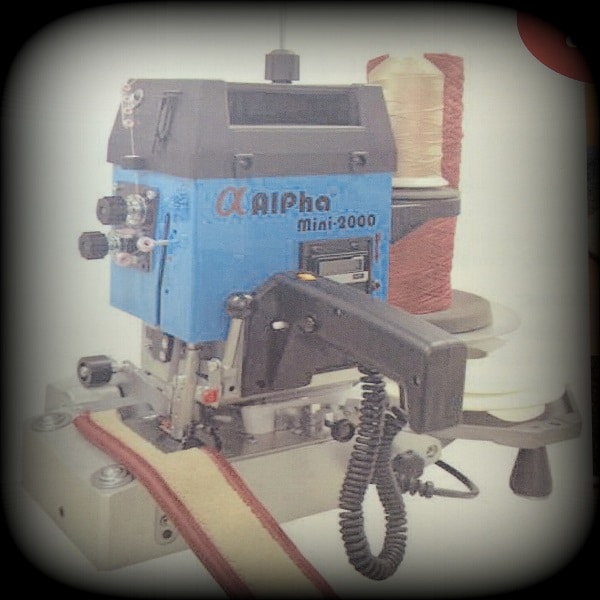
Carpet serging adds value and visual impact to a carpet, but sometimes mistakes happen and you have to fix the damage. Then you need to know how to remove the serging without a knife. You do not want to cut the carpet or slice your hand accidentally, and there is a better way to remove serging yarn. In this short video Brian demonstrates how he removes yarn that was serged with Bond’s Alpha Mini-2000 portable serger

This serger is a two-thread machine. Sergers use two types of materials to serge a carpet, both yarn and thread. The thread goes through the needle of the serger, while the yarn goes through the looper. The yarn is much thicker than the thread and, as it’s wrapped over and over around the edge of the carpet, much more of it is used. The thread is used to wrap the yarn to the carpet itself and is made of strong nylon. 

Removing the Serging Yarn

If you don’t know there’s a trick to removing the yarn, you might be tempted to cut it off with a knife or a scissors, but there’s an easier way. If you pull the yarn and the sewing threads at the same time, the serging will unravel. There will be far more serging yarn to remove per inch than sewing thread, so you need to keep that in mind. Just keep pulling carefully, and it will come off. When you get the hang of it, it comes apart fairly easily. This is very similar to opening up a pet food bag that has been stitched shut. 

Once you have removed the yarn from the carpet, you can dispose of it and re-serge or do whatever you would like with the piece.

If you have any questions about serging or the sergers we offer for sale, or if you’re looking for serging thread, yarn, binding tape or any products you might need, call us at 1-888-800-BOND. We will be more than happy to help you find anything you need for your project.


Working with Your Carpet Serger: Removing Yarn Read More »

use cotton Instabind to bind wool rugs

Use Cotton Instabind for Wool or Antique Rugs

At Bond Products we are proud of our Instabind binding tape. It works wonderfully to bind a whole range of rugs or carpet remnants. Our most popular Instabind choice is the regular polyester binding tape, but for natural fiber rugs, including wool rugs, Oriental rugs, or antique rugs, we recommend using cotton Instabind.

Many Instabind Options

We offer the following Instabind options:

  • Regular
  • Cotton
  • Faux leather
  • Synthetic Serge
  • Cotton Serge
  • Rope Edge
  • Outdoor Marine
  • Safety Edge

These are all great binding tapes that will make your rug or carpet remnant look much neater after you’ve bound it with Instabind. Some people want a specific look or want the binding to stand out so they will choose the safety edge Instabind, for example. Most of our customers choose the regular Instabind which is a good choice for a rug made out of man made fibers. For wool, Oriental, or other natural fiber rugs, however, we recommend our customers choose the cotton Instabind or the cotton serge style Instabind.

Use Cotton Instabind

Here is Bond’s rule of thumb: If the carpet or rug is cotton or wool, use natural fiber binding or serging. If it’s a synthetic rug or carpet, then synthetic binding or serging is appropriate. Cotton is still the higher quality look, however. For the highest quality look, cotton Instabind is always the best choice.

You can purchase Instabind in standard 54-foot rolls or custom size lengths for a small upcharge for cutting the roll to size. All of the Instabind choices are available in 30 stock colors from our sisal color swatch card. Because we offer so many color choices, our customers should be able to find a good color match for their carpets or rugs. In most cases customers are best off selecting the closest color match. Some customers like to choose a contrasting color for a more arresting look. However, from a design perspective because the binding tape is narrow, most of the time this looks odd. It calls attention to the binding instead of the carpet.

Of course, if you have questions about which kind of Instabind would work best or look best for your personal application, our customer service staff is happy to discuss all of the options Bond offers and which ones our customers typically use. Please contact us or call us at (888) 800-2663 (BOND) for help. We are open Monday to Friday from 7:45 AM to 4:15 PM to provide any help we can.


Use Cotton Instabind for Wool or Antique Rugs Read More »
custom carpet edges

Carpet Options for Finishing Stairs

What are the best carpet options for finishing stairs? What a great question! We get calls from customers asking the same and wondering about the benefits of using carpeting on stairs. Although there’s no one best solution for this type of carpeting issue, here are some of our ideas.

Solutions for Finishing Stairs with Carpet

When it comes to finishing stairs with carpet, there are several carpet options to choose from, each offering a different aesthetic and level of protection for your steps. Whether you want a traditional look with a bound runner or a fully carpeted staircase for added comfort and safety, Bond Products has the solutions and materials to help you achieve the perfect finish.

Popular Stair Finishing Options:

Using Carpet Runners for Stairs

rug runner edge

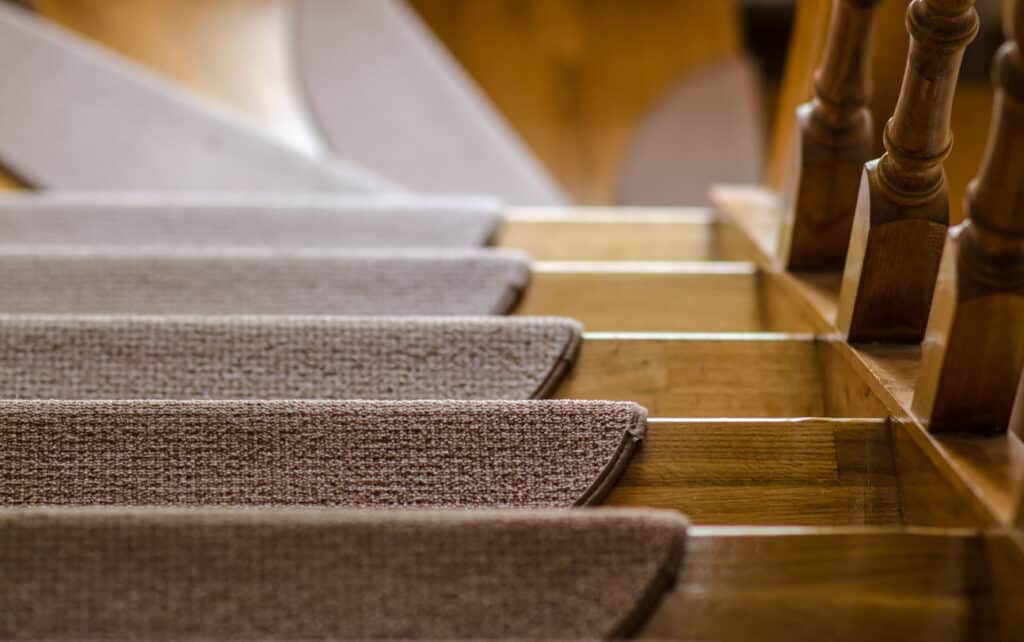
Carpet runners are one of the most popular solutions for finishing stairs because they provide a perfect blend of protection, noise reduction, and aesthetic appeal. Runners pre-made off the rolls are usually three feet wide and will fit nicely down any flight of steps. They are usually pre-bound or serged on the long edges right off the rolls and can be purchased by the foot from most retailers. The only requirement is to finish the cut ends. The other option is using your left over carpeting and cutting it to size and then binding the edges. This is the best and easiest solution and they can be stapled into place (fitted) leaving a nice tight finish that preserves the steps and creates a nice quiet step.

Custom Stair Runners from Leftover Carpet

For homeowners or businesses looking for a budget-friendly and customizable solution, repurposing leftover carpet is a great way to create a stair runner that matches existing flooring. This approach allows for a perfect color and texture match while reducing waste.

Here’s how you can turn leftover carpet into a stair runner:

  1. Measure and Cut: Determine the ideal width and length for your stairs, ensuring each tread has the right amount of coverage.
  2. Bind the Edges: Use Instabind carpet binding tape or have the edges professionally bound to prevent fraying and give a polished look.
  3. Secure to Stairs: The finished runner can be stapled or attached using a carpet gripper system, ensuring a tight, secure fit that enhances both safety and aesthetics.

Stair Treads: A Flexible Alternative

For those who want the benefits of carpet on their stairs without covering the entire surface, stair treads offer a good alternative. These are individual pieces of carpet that cover only the tread portion of each step. Stair treads provide slip resistance while maintaining the natural look of wooden stairs. They are easier to install and replace compared to full stair runners. They’re available in various colors, materials, and patterns to match different home styles.

Stair treads are are easily cut to size using left over carpeting and bound, or there are some nice options in braided treads that look and wear very well. Secure them with double-sided carpet tape, adhesive strips, or small nails/staples to keep them in place without damaging the flooring beneath.

Edge-to-Edge Carpeting for Stairs

Edge-to-edge carpeting is a way to completely hide the stair tread. It takes a lot of initial cutting to fit around the rail poles but provides the most cushioning and sound absorption. This makes it a popular choice for homes with children, pets, or high-traffic areas. We recommend professional installation for this type of carpeting, as it requires precise measuring, cutting, and securing to ensure a seamless fit. It’s becoming a more outdated look as most folks prefer to show off the natural wood edges.

Bare or Painted Steps

Bare or painted steps tend to be noisy and slippery and will require refinishing in a short period of time.

Choosing the Carpet Options for Finishing Stairs

Regardless of which stair carpeting option you choose, finishing the carpet’s edges is necessary for both durability and aesthetics. Bond Products offers high-quality carpet binding tapes, serging yarns, and binding equipment to help you achieve a polished and long-lasting finish. Call us at (888) 800-BOND for any assistance you may need.

Carpet Options for Finishing Stairs Read More »

18 gauge flooring staples

Staples: Bond Products Has Them!

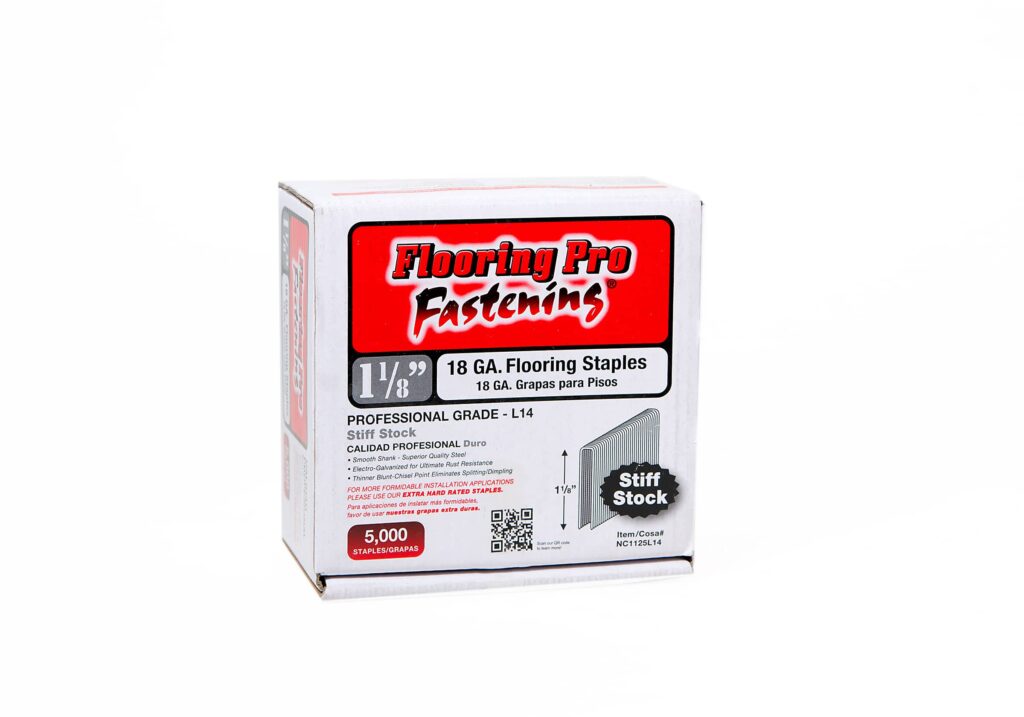
Bond’s variety of staples and quality controlled manufacturing processes allows us to better equip our customers with the right fastener for the job every time. Both the professional carpet installer and the weekend DIYer will find what they need for their installation work at Bond.

Why Are Staples Essential for Carpet and Flooring?

While ripping up carpeting and installing hardwood floors has been a very popular trend among homeowners for some time, carpeting is still an important part of a nearly every home remodel. Carpet feels warm and soft underfoot and looks homey to the eye, and most people consider carpeting in some rooms to be essential. The best product for carpet installation is staples.

Installing carpeting needs to be done carefully, but it’s not too difficult a process for a handy person to accomplish. Choosing the right type of carpeting staple is crucial to getting the job done right, however, so Bond offers a full selection of staples that make the work quick and easy – narrow crown wood staples, divergent PAD staples, divergent electric staples, and underlayment staples.

Why staples? Staples, as opposed to nails, do less damage to the carpet itself and, with the right tools, are easy to lay and also easy to remove when mistakes are made. They are affordable and easy to load in a stapler. Staples are also useful for installing lighter weight flooring products such as sheet vinyl flooring. Stapling the vinyl to the perimeter of the room is quick install technique, and the staples can be easily covered with baseboard for a fully finished look.

Bond Products also offers staples and a staple gun suitable for rug-making purposes, if hardwood and area rugs are more to your home decorating taste. The staples we offer include galvanized staples and Arrow electric gun staples in 3/8“/10mm and 9/16”/14mm sizes. We offer replacement mallet caps as well.

For staples, staple guns, mallets, mallet caps, L-cleats, or finish nails for your flooring project, shop our Pro Drive HD™ line of suppliesWe’ll be happy to supply anything you require for your job or project, so call Bond Products today.


Staples: Bond Products Has Them! Read More »
hook-and-loop fastener

The History of the Hook-and-Loop Fastener

Did you know that the invention of hook-and-loop fasteners, more commonly known by the brand name, Velcro, was inspired by a walk in nature? The idea came to George de Mestral, a Swiss engineer, after he’d taken his dog on a hunting trip in the Alps. Both he and the dog had gotten burrs all over their fur and clothes because you only have to brush against a burdock plant fro them to attach themselves. They stick very stubbornly and are very hard to remove from fur. Later, when de Mestral examined the seeds carefully under a microscope, he learned why that is. Each burdock seed has hundreds of tiny hooks that latch onto anything that has loops – like fur or clothes or hair.

Inspired, de Mestral set about inventing a material that could be used as a fastener replicating this same natural “technology.” This is called biomimicry. His first attempt was made from cotton fabric, but he found that cotton degraded quickly over time. At the time nylon was a new fabric, introduced to the world by DuPont who debuted a toothbrush made from it in 1938, and scientists were coming up with all kinds of new uses for it, including wartime ones like parachutes. Nylon is a synthetic material, made from coal or petroleum. It does not degrade quickly and proved to be the ideal cloth to use for de Mestral’s invention, which he called “Velcro,” combining two French words, “velours” and “crochet” (French for “hook”).

Initially de Mestral meant his fastener to replace zippers, but this wasn’t a use that took off. Instead it was incorporated into space suits, ski suits, scuba and marine gear and then eventually used for children’s clothing. When the Velcro patent expired in 1978, many companies replicated and sold it far less expensively, and it became much better known and widely used.

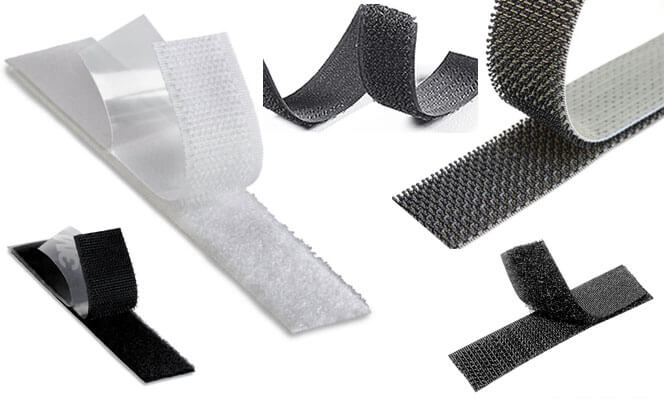
Today there are so many ways to use hook-and-loop fasteners, from clothing to crafts to carpets. It can be sewn onto material as it always has been or adhered to plaster, wood, or metal. Bond Products offers a number of different hook-and-loop products designed with peel-and-stick application to adhere carpet to floors. These come either tapes or coins and in a variety of colors to match your carpet.

If you’re looking for hook-and-loop fastening for larger products or bulk needs, call Bond Products today to order. Take some time and browse our other narrow tape options as well. Our company has long specialized in narrow fabrics, and we still have a large selection for any consumer need.


The History of the Hook-and-Loop Fastener Read More »
Close the CTA

All NEW customers use code

WELCOMETOBOND & save 5% today!

Scroll to Top