Tom Damitio

artificial turf

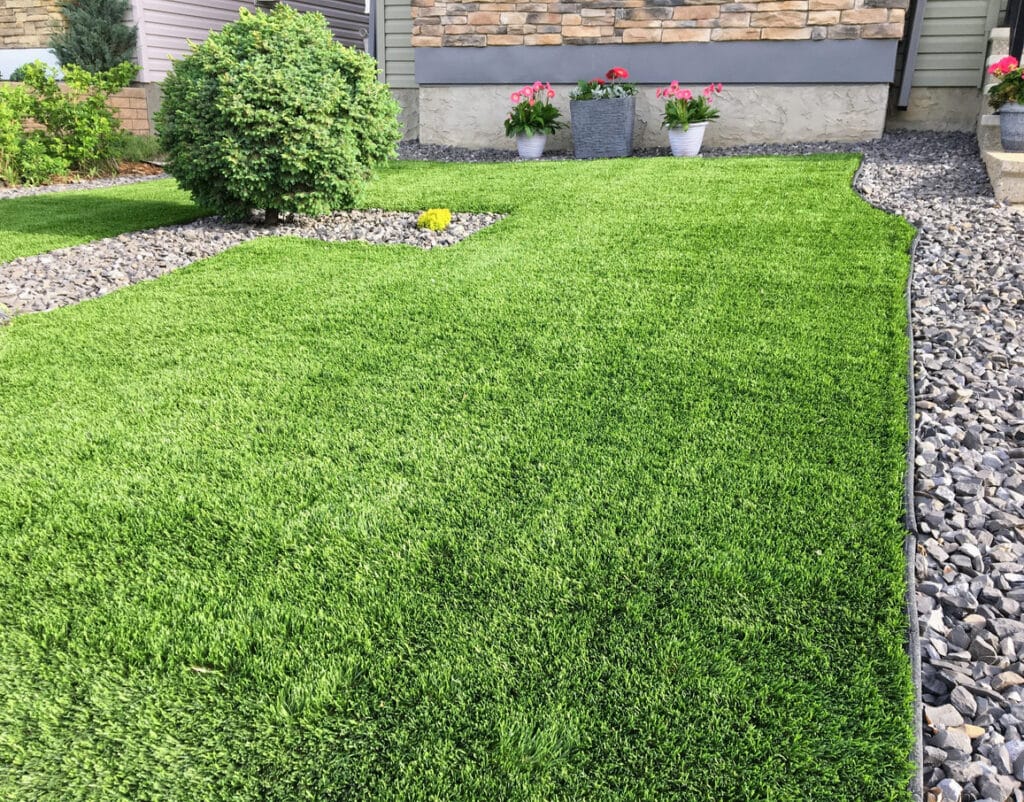
Where to Install Artificial Turf

Previously we’ve talked about the growing popularity of artificial turf and how factors like drought, especially in the American Southwest, have encouraged more people to consider it. Artificial turf is no longer limited to football fields and stadiums. Today, it’s used in a wide range of residential and commercial settings.

So, where should you install artificial turf? While it can be used in many of the same places as carpet, it is especially useful in areas that require a durable, waterproof, and low-maintenance surface. Here are some of the most popular applications.

Rooftops and Urban Outdoor Spaces

As more people move back into cities, outdoor space becomes more limited, but no less desirable. Artificial turf is a great option for flat rooftops, balconies, or terraces. It adds a touch of green and creates a more inviting, natural feel in otherwise hard, urban environments.

Home Putting Greens

Golf enthusiasts can bring the game home by installing artificial turf for a personal putting green. It provides a consistent surface for practice and eliminates the need for constant lawn maintenance.

Pet Runs and Pet Areas

Artificial turf is ideal for pet owners. It is waterproof, easy to clean, and more resistant to damage than natural grass. Pets often dig, wear down, or discolor real lawns, but turf provides a consistently clean and green surface.

Play Areas for Children

Artificial grass works well in play areas where children are active. It offers a softer surface than concrete or tile and is easier to maintain than natural grass. It also stands up better to heavy use.

Around Pools and Tennis Courts

Artificial turf is a smart choice for areas that see heavy foot traffic, such as around pools or tennis courts. It will not be damaged by chlorine and does not wear down the way natural grass does. It also reduces maintenance while maintaining a clean, finished appearance.

Problem Areas Where Grass Won’t Grow

Some areas simply do not support healthy grass growth. This may be due to shade, poor soil conditions, or heavy use. Artificial turf provides a reliable solution in these situations, offering a consistently green look without ongoing frustration.

Low-Maintenance, Chemical-Free Spaces

For homeowners who want to reduce water usage or avoid fertilizers and pesticides, artificial turf is an excellent alternative. It delivers the appearance of a well-maintained lawn without the need for chemicals or constant upkeep.

Planning Your Installation

Installing artificial turf requires more preparation than laying grass seed. Proper tools, quality materials, and correct installation techniques are essential for long-term performance.

If you have questions about turf seaming, tools, or supplies, contact Bond Products at 1-888-800-BOND. We’re always happy to help you choose the right products for your project.

Where to Install Artificial Turf Read More »

Use cotton reinforcement tape to strengthen your carpet edges

When to Use Cotton Reinforcement Tape for Carpet Edges

Carpet edges take a lot of abuse. Foot traffic, furniture movement, and regular cleaning can slowly weaken the edges of a carpet or rug. Over time this can lead to fraying, splitting seams, or areas where the backing begins to separate.

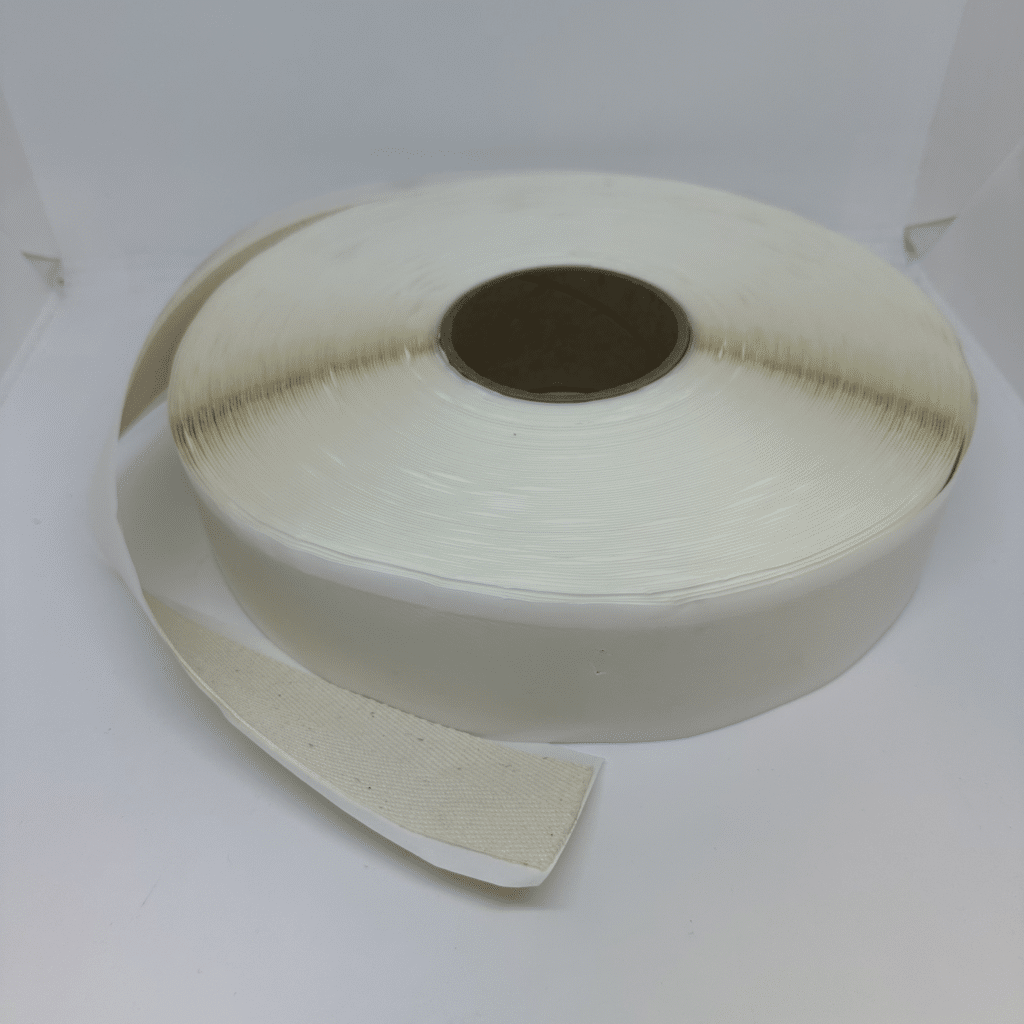
One simple solution that professionals and DIY carpet repairers use is cotton reinforcement tape. Bond Products now offers a 992 PSA Cotton Carpet Edge Tape, which provides a convenient way to strengthen and stabilize carpet edges before further finishing or repair work.

What Is Cotton Carpet Reinforcement Tape?

Cotton reinforcement tape is a strong fabric tape used to stabilize carpet edges and seams. It helps prevent additional wear by strengthening areas that experience frequent stress.

The PSA in the product name stands for pressure-sensitive adhesive, which means the tape already has adhesive applied to it. This makes installation much faster and easier because you do not need to apply additional glue before positioning the tape.

Cotton reinforcement tape is especially useful for woven carpet cut edges, where it helps prevent the sewn-on binding from pulling away over time. By reinforcing the edge before binding or finishing, the tape provides extra support and helps the finished edge last longer.

Cotton is also a popular material for reinforcement because it is strong, flexible, and easy to sew through when needed.

When Should You Use Reinforcement Tape?

Cotton reinforcement tape can be used in several common carpet repair and finishing situations.

Strengthening Carpet Edges Before Binding

If you are binding the edge of a carpet remnant to create an area rug, reinforcement tape can help stabilize the edge before the binding is applied. This provides additional structure and helps prevent edge distortion over time.

Repairing Worn Carpet Edges

Older rugs and carpets sometimes develop weak edges where the backing begins to break down. Applying reinforcement tape helps strengthen the damaged area so it can be repaired or rebound.

Reinforcing Seams and Stress Points

High-traffic areas and seam locations can also benefit from reinforcement. Tape applied along these sections helps distribute stress more evenly and can extend the life of the carpet.

Preparing Carpet for Sewing or Serging

Because cotton tape is easy to sew through, it can also serve as a base when performing hand repairs, serging, or machine binding.

Advantages of PSA Cotton Tape

The 992 PSA Cotton Carpet Edge Tape offers several advantages for both professionals and DIY users:

  • Pressure-sensitive adhesive makes application quick and simple
  • Cotton material provides strength while remaining flexible
  • Easy to sew through when additional stitching is needed
  • Helps stabilize carpet edges before binding or finishing
  • Available in convenient 50-yard rolls for larger projects

For installers and repair professionals, this type of tape can save time while improving the durability of finished edges.

A Useful Addition to Any Carpet Repair Kit

Whether you are repairing worn carpet edges, preparing a remnant for binding, or reinforcing stress points in a rug, cotton reinforcement tape is a simple but effective tool to keep on hand.

Bond Products continues to offer practical solutions for carpet professionals and DIY homeowners alike. If you are looking for reliable reinforcement tape for carpet edges, the 992 PSA Cotton Carpet Edge Tape is an easy way to strengthen and extend the life of your carpets and rugs.

If you have questions about how to use reinforcement tape or which carpet finishing products are right for your project, contact Bond Products at 1-888-800-BOND. Our team will be happy to help you! 


When to Use Cotton Reinforcement Tape for Carpet Edges Read More »

which glue gun should I use

Which Glue Gun Should I Use?

Previously we’ve talked about the history of glue and glue guns. While that background is interesting, it’s not as practical as knowing which glue gun to use for a specific task. Whether you’re applying Instabind, doing craft projects, or handling industrial carpet installation, the glue gun you choose matters. Here we’ll break down which glue gun is best for your needs and how Bond Products can help.

Choosing the Right Glue Gun for the Job

At Bond Products, we offer several types of glue guns and glue sticks for a range of applications. From hobby-level to heavy-duty, each has unique features designed for different users and projects.

Standard Glue Guns for DIY & Crafts

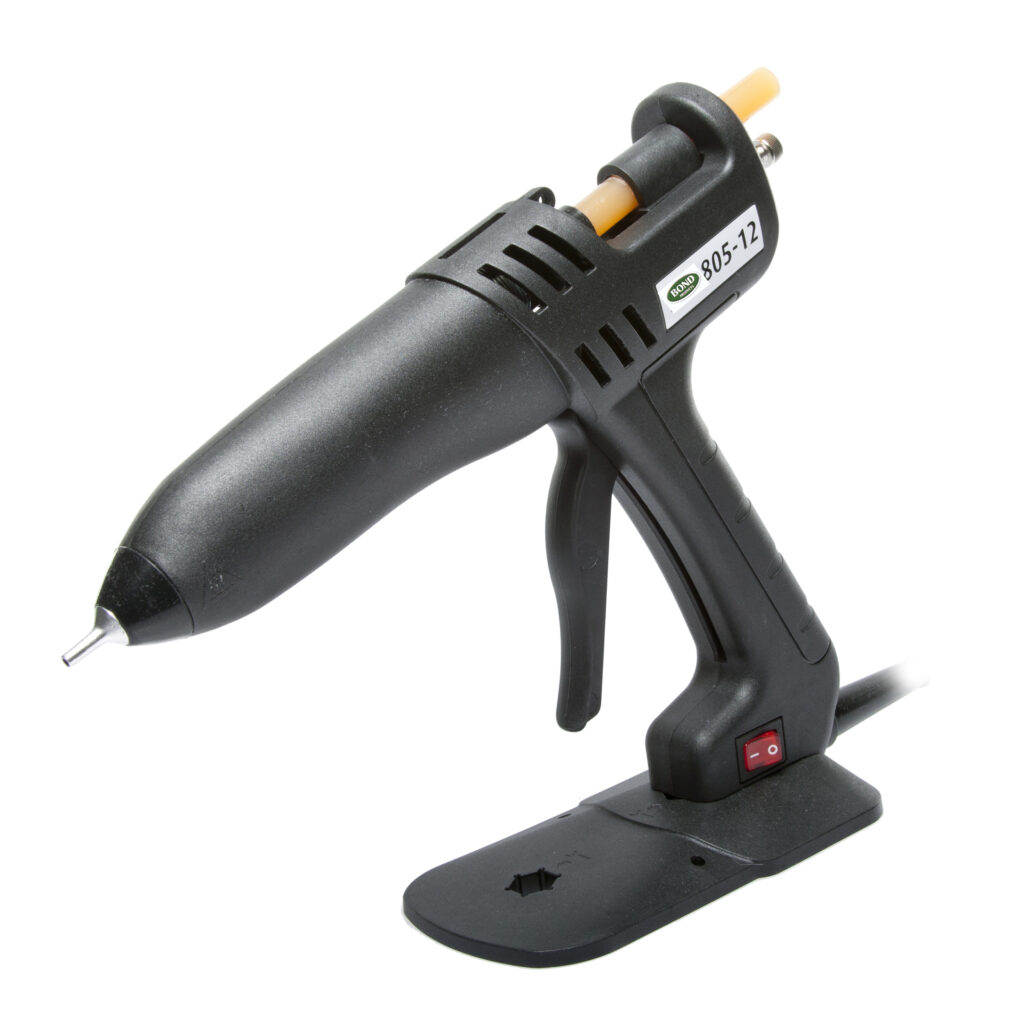
We carry two electric glue guns ideal for hobbies and home projects.

  • Low-temperature glue gun: Best for delicate materials like cloth, lace, and ribbon. It’s safer to use around children and great for lightweight applications.
  • High-temperature glue gun: Offers a stronger bond for rougher materials. It heats up quickly and is ideal for tasks like attaching Instabind.

Both models heat up in 3–5 minutes and run on 110–250V. They use standard 1/2″ glue sticks (Bond SKU #272), and our extended “orange” nozzle fits both models perfectly for detailed work.

Industrial Glue Gun for Carpet Work

Our industrial glue gun is designed for high-volume use. It delivers more than 7 pounds of glue per hour and plugs into a standard 110V outlet. It comes with a plug-in thermostat for heat regulation and uses BR175L glue slugs. This model is best for professionals working on larger or more durable materials, including high-traffic carpet areas.

Pneumatic Glue Gun for Heavy-Duty Tasks

The pneumatic glue gun connects to an air compressor for effortless use. It can produce up to 11 pounds of glue per hour and is available in both traditional and spray nozzle models. This gun is perfect for commercial environments where consistent output and trigger ease are priorities. It uses BR175 glue slugs.

Spray Glue Gun for Large Coverage Areas

If your project involves heat-sensitive materials or large surface areas, the pneumatic spray glue gun is ideal. It offers wide coverage and even glue distribution, which makes it perfect for industrial applications. This model takes #420 or #430 glue slugs.

Which Glue Gun Should I Use for Carpet Projects?

All of these models can be used for carpet installation and repair, but the right choice depends on how often you work with carpet and how heavy-duty your projects are.

  • DIYers and hobbyists: A standard high-temperature glue gun is usually sufficient for home use and Instabind application.
  • Carpet professionals: Choose an industrial or pneumatic glue gun with high glue output and heat control for tougher, larger projects.

Glue guns are also great for gap filling, foam shaping, and other creative tasks beyond carpet work.

Trust Bond Products for Quality Glue Guns & Supplies

We stand by the quality and durability of our glue guns. Whether you’re looking for a basic tool for crafting or a high-output industrial model, Bond Products has what you need. Call us today at 1-888-800-BOND! We’re here to guide you toward the best tool for your project.

Which Glue Gun Should I Use? Read More »

hook-and-loop tape Christmas uses

How to Use Hook-and-Loop Tape for Christmas Decorations

As Christmas approaches, many of us start rummaging through attics, basements, and closets to find our holiday decorations. Seeing familiar ornaments and lights again can bring a smile, until you find your Christmas lights tangled, your wreath missing a hook, or your favorite decor crumpled in a box. One easy, affordable solution to many of these holiday hassles is hook-and-loop tape. This simple product can make decorating easier, cleaner, and more fun. 

Here’s how to use hook-and-loop tape to organize and enhance your Christmas decorations this year.

Christmas Uses for Hook-and-Loop Tape

Tame Your Christmas Lights

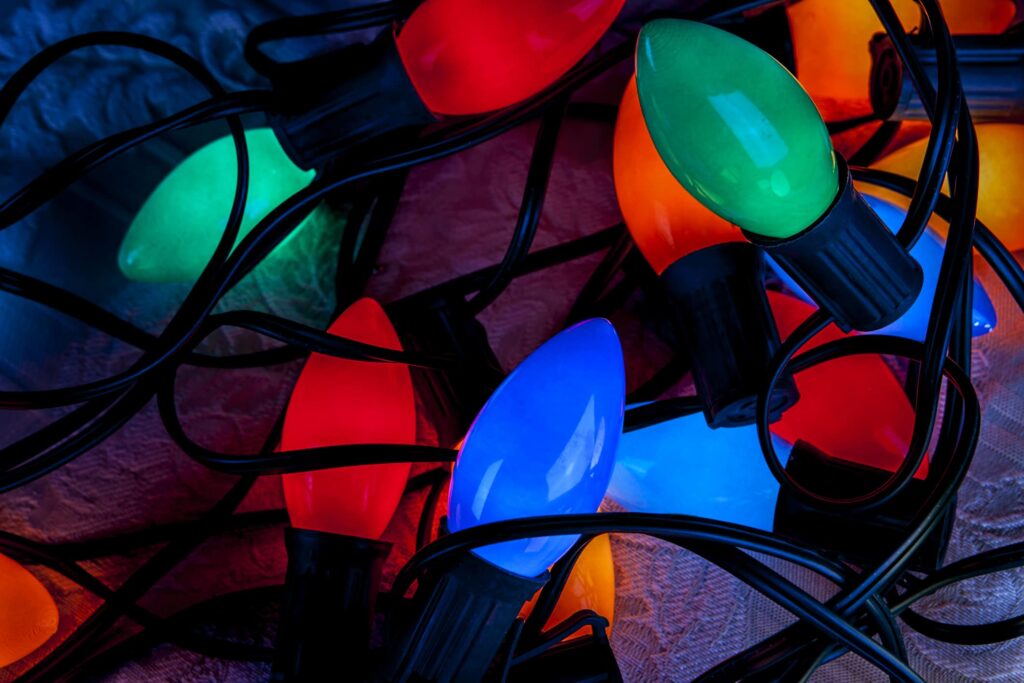
Most power cords today come with built-in hook-and-loop wraps to keep them from tangling. But Christmas lights? We should be so lucky. Light strands seem to tangle themselves in storage every year. You can prevent that frustration by cutting your own strips of hook-and-loop tape to wrap your lights before storing them. When it’s time to decorate next December, you’ll thank yourself for your forethought and preparation.

Hang Decor Without Nails

We’ve talked before about the versatility of hook-and-loop tape around the house. One of the easiest uses during the holiday season is to hang lightweight Christmas decorations without nails or tacks. Use adhesive hook-and-loop tape to secure:

  • Advent calendars
  • Christmas cards
  • Felt banners
  • Small wreaths on doors or windows

Apply a strip to a smooth surface like a wall, mantle, or window, then use small hook-and-loop coins to attach decorations. When the holidays are over, just remove the decor and leave the backing in place for next year.

Create Kid-Friendly Christmas Crafts

If you have toddlers or young kids, the Christmas season can be a balancing act between creating a festive home and protecting breakable decorations. Hook-and-loop tape makes it easy to involve little ones with hands-on, safe crafts:

  • Photo Felt Christmas Tree – Cut a Christmas tree shape out of green felt, then place hook-and-loop coins throughout the tree. Let your children decorate it with family photos, small felt ornaments, or even laminated cutouts of Christmas icons. They’ll love being able to decorate the tree over and over.
  • Gingerbread Cardboard House – Turn a box into a “gingerbread” house with strips of hook-and-loop tape. Your kids can decorate it with toy candies, foam stickers, felt shapes, or plastic ornaments. This project keeps little hands busy and allows for easy cleanup and reuse each year.

Stock Up on Hook and Loop Supplies

At Bond Products, we offer hook-and-loop tape in multiple formats — peel-and-stick strips, sew-on options, and hook-and-loop coins. Whether you’re organizing lights, crafting with kids, or decorating without damaging your walls, hook and loop tape is a holiday essential.

Need help choosing the right type for your project? Call us at 1-888-800-BOND. We’d be happy to “hook you up” with the best solution for your Christmas decorating needs!

How to Use Hook-and-Loop Tape for Christmas Decorations Read More »

rug fringe

Can You Replace Rug Fringe? What Every Rug Owner Should Know

Rug fringe sparks strong opinions. Some people love the look. Others can’t stand it. Professional rug cleaners often say fringe is the hardest part to restore. That’s because dirt clings to it more than any other part of a rug. Most people prefer fringe that looks clean and neat, but few know what to do when it starts to look bad. In this post, we’ll explain what rug fringe is, when you can replace it, and when you should leave it to a pro.

What Is Rug Fringe?

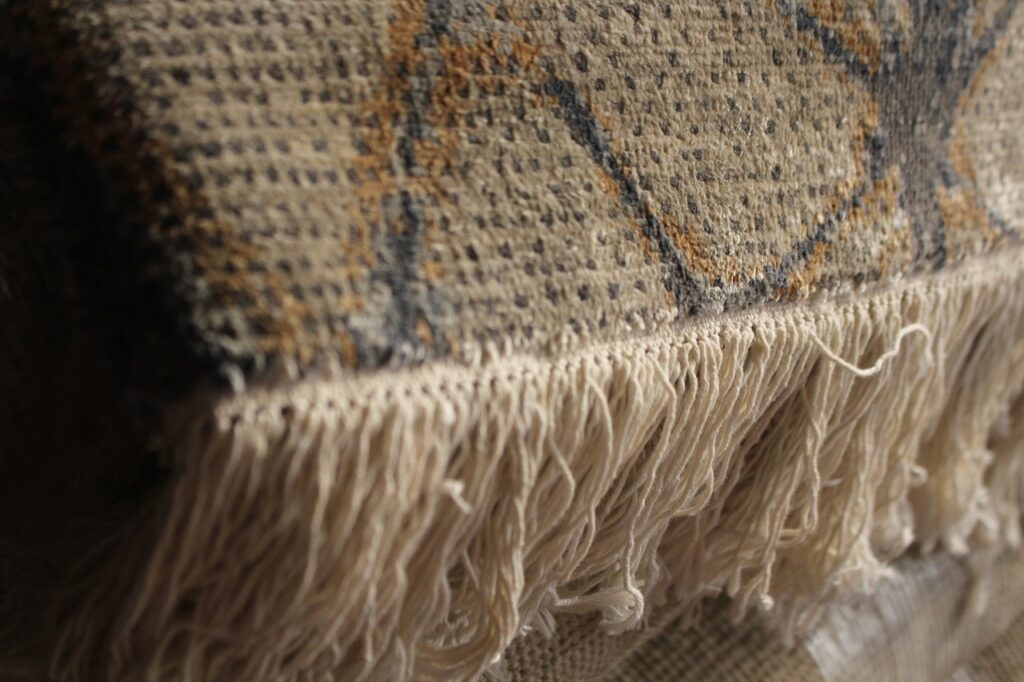
On a traditional antique or Oriental rug, the fringe isn’t decorative. It’s structural. Fringe is made from the warp threads—the foundation fibers of the rug—gathered and tied off at both ends after the rug comes off the loom. Weavers knot wool or silk yarn around these warps to form the pile. Without fringe, those knots could unravel.

That’s why you can’t simply cut off the fringe on a handmade rug. Damaging or shortening it too much can compromise the structure of the rug and destroy its value. Handmade rugs require hand-repair to preserve their beauty and worth.

Can You Replace Rug Fringe on a Machine-Made Rug?

Yes, and it’s much easier. On a machine-made rug, the fringe is only decorative. Manufacturers attach it after production to mimic the look of a handmade rug. If your machine-made rug has a fringe that’s dirty, discolored, frayed, or destroyed by pets or vacuuming, you can remove and replace it.

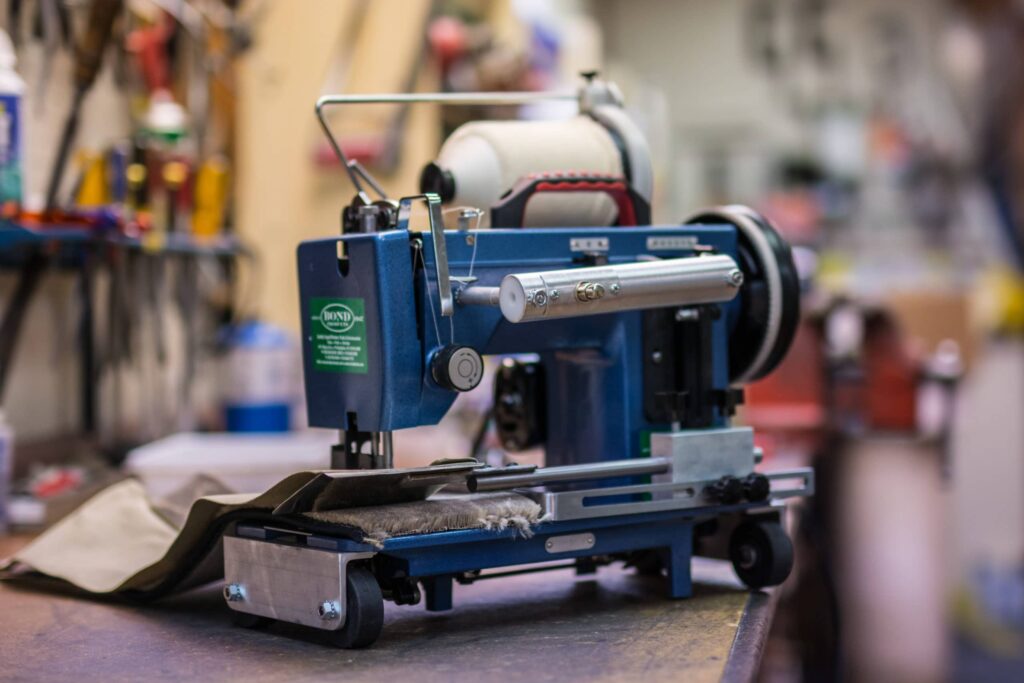
At Bond Products, we use and sell a TMB lock-stitch sewing machine specifically for this task. We even have a how-to video on our website that explains the process step by step. If you’re handy with a heavy-duty sewing machine, you can do it yourself at home.

How to Tell Whether You Can Replace the Rug Fringe

Ask yourself this: is the fringe part of the rug’s construction, or is it sewn on after?

  • If it’s structural (like on an Oriental or antique rug), don’t try to replace it yourself. Take it to a professional for hand repair.
  • If it’s decorative, you can replace it using new fringe materials and the right tools.

Need Help Replacing Rug Fringe?

Bond Products offers everything you need to replace rug fringe on machine-made carpets, from tools to fringe in a variety of colors and materials. We even offer Instabind Fringe Style for a super simple DIY option. Whether you’re looking to restore a rug’s appearance or give it a fresh look, we’re here to help.

Call us at 1-888-800-BOND with your questions. Our team can walk you through your options and make sure you get the right products for your rug.


Can You Replace Rug Fringe? What Every Rug Owner Should Know Read More »

how to fix carpet seam splitting

How to Fix Carpet Seam Splitting and Prevent It from Happening Again

If you’ve ever noticed an unsightly line or gap forming in your carpet, you’ve likely encountered carpet seam splitting. Just like seam peaking, seam splitting can ruin the look of an otherwise beautiful floor. A well-installed carpet should look like a single, smooth surface, trimmed only around the edges to fit the room perfectly.

However, because carpet isn’t manufactured in 15- or 20-foot widths, seams are inevitable. The key to a flawless installation lies in proper seam placement, high-quality materials, and the right technique. Let’s look at what causes carpet seams to split and how to fix and prevent this common issue.

What Causes Carpet Seam Splitting?

There are several reasons carpet seams begin to split over time:

  • Foot traffic: Placing seams in high-traffic areas accelerates wear and stress, pulling fibers apart.
  • Time and use: Daily foot traffic and years of pressure weaken adhesive bonds.
  • Poor-quality materials: Low-quality carpet or seaming tape can’t withstand long-term use.
  • Improper installation: Weak adhesive or lack of proper pressure during installation can cause early separation.

When installing carpet, it’s essential to consider where seams will go. Avoid major traffic paths whenever possible. Also, use a high-density carpet pad to absorb impact and prolong the carpet’s lifespan.

How to Prevent Carpet Seams from Splitting

Preventing carpet seam damage starts with good materials and careful installation. Here are a few expert tips:

  • Use a seam roller: A seam roller helps press the carpet backing firmly into the melted adhesive, ensuring a strong bond.
  • Apply even pressure while drying: Place a heavy object along the seam while the glue cools to prevent separation.
  • Invest in quality materials: High-quality carpet and seam tape last longer and resist wear. It’s less expensive to buy better carpet than to replace it when it wears out early.

Good installation practices and strong adhesives can make all the difference between a carpet that lasts for decades and one that shows wear after a few years.

How to Fix a Split Carpet Seam

If your carpet seam has already split, don’t panic—you can often repair it yourself.

  1. Measure the damaged area. Determine the length of the split seam.

  2. Cut your seaming tape. Use peel-and-stick seaming tape or a hot melt tape cut to the right length.

  3. Prepare the carpet. Pull back both sides of the carpet and mark a line down the subfloor where one side ends.

  4. Apply the tape. Carefully place the seaming tape along the line, adhesive side up.

  5. Lay the carpet. Press both sides of the carpet down onto the tape, making sure the edges meet cleanly.

  6. Add weight. Place a heavy object or roller along the seam to help the backing adhere fully.

  7. Allow time to cure. Let the adhesive set for several hours before walking on it.

Important: Avoid using double-sided sticky tape on stretched carpet. It’s not designed for that kind of tension. For stretched installations, use a hot melt seam and remove any old glue before re-seaming.

Restore Your Carpet’s Appearance

Carpet seam splitting doesn’t mean you need new flooring. With the right tools, materials, and a little patience, you can repair damaged seams and make your carpet look like new again.

Bond Products carries everything you need for professional-quality carpet repair, including seam tape, hot melt glue guns, and seaming irons. If you’re unsure what to use, give us a call at 1-888-800-BOND. Our customer service team is always happy to help you find the best products for your carpet installation or repair project.

How to Fix Carpet Seam Splitting and Prevent It from Happening Again Read More »

binding machines

Portable or Stationary Binding Machines: Which is Best?

If you’re in the flooring, carpet, or rug business and want to expand your services or increase your margins, you may want to consider investing in your own carpet binding and serging machines. With the right tools, a little training, and some hands-on experience, you can turn carpet remnants into beautiful finished area rugs, complete repairs, or even create custom decorative carpet designs right in your shop or on-site.

At Bond Products, we offer a wide selection of high-performance binding and serging equipment, both stationary and portable, that meets the needs of pros and newcomers alike. Here’s what you should know about the two types of machines and how they can help grow your business.

Stationary Carpet Binding Machines

Stationary machines remain fixed in place while you feed the carpet through the machine. Because they require ample space and a large table surface, they’re typically used in professional shops or warehouse settings.

If you have a dedicated workspace, machines like Bond’s BBL-1 and BBL-2 are excellent choices. These are high-speed, self-lubricating binding machines built for heavy use and long-term reliability.


For higher-volume operations, the TMB-1 Double-Puller Binder/Fringer is one of the most powerful options available, capable of binding 10 to 18 yards per minute. This type of heavy-duty machine is ideal for shops binding large area rugs or commercial carpet. However, to operate effectively, it often requires the use of an air table or rollers to move the carpet smoothly.

Portable Carpet Binding Machines

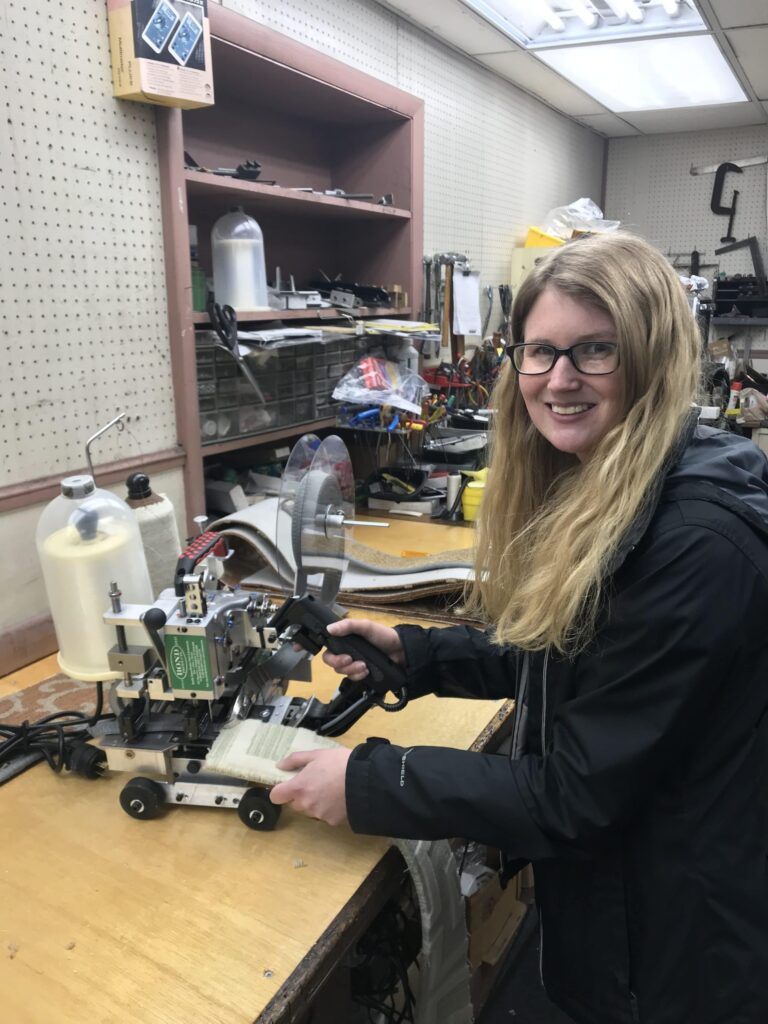
Portable binding machines offer flexibility. Instead of feeding the carpet through the machine, the tool moves along the edges of the carpet, making it ideal for on-site work, like new home construction or commercial renovations. You can also use them in-shop.

Bond’s PBL-XB Zig-Zag Portable Binder is one of our most versatile models. It allows for either a straight or zig-zag stitch and binds more than 10 feet per minute. This model is fast, precise, and extremely user-friendly.

If you frequently work with thick backings or heavy carpet, the PBB-2X Bobbinless Portable Binder is built for power and efficiency. It’s specifically designed to tackle dense carpet cove base and area rugs, and it includes an adjustable hook-and-loop guide for 2- or 4-inch tapes—perfect for customization at scale.

Refurbished Equipment for Budget-Conscious Buyers

If you’re looking to add to the capabilities of your carpet business for a lower price, Bond also offers a number of refurbished machines in our clearance section. We offer both portable and stationary equipment for binding and serging, although our inventory is subject to constant change. Check our Clearance page often for great machines at a lower cost to you. 

We Also Offer Repair and Servicing

No matter what machine you purchase, new or refurbished, Bond Products provides full equipment servicing. Our technicians are familiar with every model we sell, and we’re committed to keeping your operation running smoothly.

Ready to Get Started?

Adding carpet binding and serging capabilities to your business opens up opportunities to:

  • Upsell customers with custom or high-end finishes
  • Create rugs from remnants and excess carpet
  • Complete repairs in-house instead of outsourcing
  • Provide faster turnaround for builders and designers

All of Bond’s binders and sergers are backed by Bond’s 90-day warranty. 

If you have questions about which machine is right for your workflow or budget, give us a call at 1‑888‑800‑BOND. Our expert team is happy to walk you through your options and help you find the perfect carpet binding or serging machine for your business.


Portable or Stationary Binding Machines: Which is Best? Read More »

18 gauge flooring staples

Staples: Bond Products Has Them!

Bond’s variety of staples and quality controlled manufacturing processes allows us to better equip our customers with the right fastener for the job every time. Both the professional carpet installer and the weekend DIYer will find what they need for their installation work at Bond.

Why Are Staples Essential for Carpet and Flooring?

While ripping up carpeting and installing hardwood floors has been a very popular trend among homeowners for some time, carpeting is still an important part of a nearly every home remodel. Carpet feels warm and soft underfoot and looks homey to the eye, and most people consider carpeting in some rooms to be essential. The best product for carpet installation is staples.

Installing carpeting needs to be done carefully, but it’s not too difficult a process for a handy person to accomplish. Choosing the right type of carpeting staple is crucial to getting the job done right, however, so Bond offers a full selection of staples that make the work quick and easy – narrow crown wood staples, divergent PAD staples, divergent electric staples, and underlayment staples.

Why staples? Staples, as opposed to nails, do less damage to the carpet itself and, with the right tools, are easy to lay and also easy to remove when mistakes are made. They are affordable and easy to load in a stapler. Staples are also useful for installing lighter weight flooring products such as sheet vinyl flooring. Stapling the vinyl to the perimeter of the room is quick install technique, and the staples can be easily covered with baseboard for a fully finished look.

Bond Products also offers staples and a staple gun suitable for rug-making purposes, if hardwood and area rugs are more to your home decorating taste. The staples we offer include galvanized staples and Arrow electric gun staples in 3/8“/10mm and 9/16”/14mm sizes. We offer replacement mallet caps as well.

For staples, staple guns, mallets, mallet caps, L-cleats, or finish nails for your flooring project, shop our Pro Drive HD™ line of suppliesWe’ll be happy to supply anything you require for your job or project, so call Bond Products today.


Staples: Bond Products Has Them! Read More »

repair service

Bond Products’ Expert Repair Service

Bond Products offers a complete catalog of materials and supplies for carpet binding, serging, and rug making. This includes carpet binding equipment like carpet binding machines, portable binders, sergers, and tapestry binders. We also offer repair service and maintain equipment of all brands for our customers.

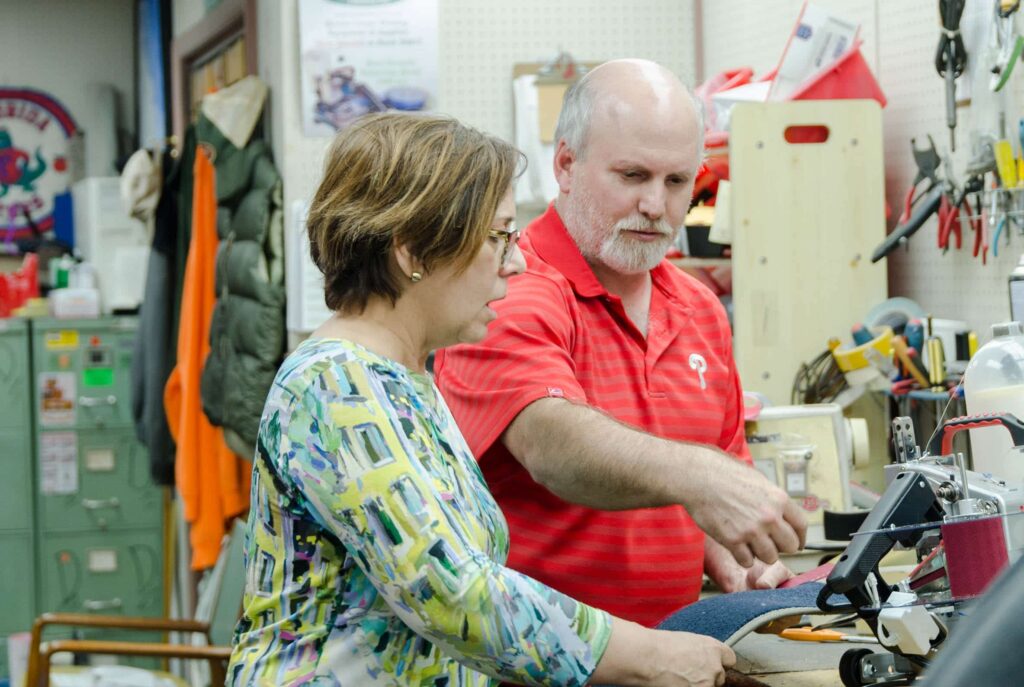
During our fall and spring open houses, we invite the public into our facilities to give them a chance to watch carpet binding by the experts and also ask them questions about fixing or maintaining their carpet binding equipment so they will be able to handle repairs on their own. We do small repairs on machines for free as well if they bring their equipment to an open house. You can see by browsing our Clearance page that many carpet binders stand the test of time and work for years or even decades with some tender loving care and the occasional repair.

Some of our customers prefer to have our experts do their repairs, and we are more than glad to do the work for them. If you have a binder or serger that needs repair, please do not hesitate to send it to us. Here are some testimonials from customers who brought or sent in their equipment* to us for repair:

“Wanted to say thank you so much for tuning up my machine. WOW!!! This machine runs and sounds like brand new and thank you so much for replacing my thread guide and belts.”

“Scott from Tech Support saved the day!!! I am in the middle of a very important job and my PBL1 stopped working, It took a 5-minute phone call, and I am back in business…”

“Scott and Gene have gotten me out of a bind (pun intended) many times helping me get my machines running. Keep up the good work, looking forward to many more years of business with Bond.”

We are proud of our efforts to educate our customers on which machines would be best for their needs, how to use them, how to maintain them, and how to repair them. If you have any questions about your carpet binding equipment, whether it’s running well or needs repair service, please call. We are happy to hear from you and help. And if you’d like to attend our upcoming spring open house, call us at 1-888-800-BOND to make your appointment. 

*Click here for our recommendations for packing up your binder if you need to ship it to us to repair.  We’ve found that if these guidelines are not followed, the machines are much more likely to be damaged on route and require more costly repairs to get them functioning again.


Bond Products’ Expert Repair Service Read More »

remove old carpet and replace

Remove an Old Carpet and Replace it with an Area Rug!

Wall-to-wall was quite the mid-century carpet trend in our parents’ and grandparents’ days. Breakthroughs in nylon fibers, electrification, and the proliferation of appliances like the portable vacuum made Americans happily turn their backs on the days when cleaning the rug meant taking it outside and beating it. New was best, and labor-saving devices made all sorts of decorative choices possible.

Now everything old is new again. Wall-to-wall carpeting is the standard for many modern homes, and we take our appliances for granted, so we long for the sight of refinished hardwood floors and want to replace our vacuums for brooms or swiffers. If you’re wondering how to go about accomplishing that, there are plenty of sites that will demonstrate how to determine if your house may have attractive looking hardwood under carpet as well as how to rip it up and refinish that wood so that its natural luster adds another dimension of beauty to your home. Pinterest has plenty of suggestions for carpets, rugs and wood floors as well.

Reasons to Remove Your Old Carpet

Other than trends or stylistic choices are there other reasons you might want to get rid of your wall-to-wall carpet? Yes! What are they?

  • A worn carpet will make a whole room look shabby, even if it’s only worn in spots. On the other hand, people have a tendency to excuse older wood as being antique, vintage, or distressed. Hardwood is easy to keep clean looking, unlike wall-to-wall carpet.
  • Synthetic Carpets trap allergens and lessen the air quality in the house. This can be a real problem for people with severe allergies or asthma.
  • It’s much easier to replace an area rug than a roomful of carpet. This is true whether your reason for replacing your carpet is the condition of the carpet, a desire to try something new or change things up, or display an antique carpet as a room centerpiece.

Once you’ve decided that you want to make a change to a hardwood floor, how do you go about choosing your area rug? The sky (and your budget) is the limit. You can choose to cover most or only a small area of your hardwood. Perhaps you’d like to try layering a smaller antique rug over a jute area rug to add more texture to your space? Or maybe you want to display several smaller rugs instead?

Bond Products encourages you to use your imagination. Take your time in choosing a carpet or a remnant to rebind and display. You may have hardwood throughout your house and different rug uses for each room. Perhaps the best thing about area rugs is that they are so easily removed or put into rotation, so changing your rooms as the seasons change is suddenly possible.

Ready to Begin?

If you’ve been thinking about switching your carpet for a rug, what are you waiting for? Removing old carpet is the first step to a beautiful new floor. If you’re planning to install carpet, check out our wide range of carpet binding supplies, tapes, and tools. Need advice? Give us a call at 1-888-800-BOND—we’re here to help!


Remove an Old Carpet and Replace it with an Area Rug! Read More »

wool rugs help control allergies

What Is the Best Carpet for Allergy Sufferers?

Do your friends and family have problems with allergies or asthma? If so, the carpet or rugs in your house could be part of the problem and not a solution at all. What is the best carpet for allergy sufferers? 

Scientists are learning every day that the human immune system is complex in ways that we do not understand. Our bodies have not evolved as quickly as our technology has. When it comes to our health and well being, simpler, more natural products are often better for us.

One of those is wool.  In the mid-20th century, man-made fibers were all the rage. Scientists and researchers found ways to “improve” upon natural fiber products, creating fabrics and fibers that were stain resistant, wrinkle resistant, easier to dye, and generally more durable. While these qualities made them seemingly ideal for items like clothes and carpeting, they may not have some other qualities natural fibers like wool has. Wool:  

  • contains a substance called permethrin that kills very small insects.
  • treated with lanolin, is water resistant, air permeable, and antimicrobial
  • is resistant to bacteria, mold, and mildew.
  • insulates both ways, keeping warm air in – and out. It is used effectively in both warm and cold climates.
  • absorbs sound, odors, and other contaminants. When used in carpet, it can purify the air for up to 30 years.
  • ignites at a higher temperature than other fabrics and requires more oxygen to burn. It does not melt like synthetic fibers either. It’s a wonderful overall protective material, which makes it an ideal fabric for firefighters, policemen, and others in dangerous professions.

As a carpet fiber, wool is particularly useful for keeping the home quiet, pest and dust free, and for reducing asthma and allergy attacks. In general carpeted floors are better for keeping dust and dust mites in check. Carpet traps dust mites which can then be vacuumed up. However wool is even better than synthetic carpets for asthma and allergy sufferers because it both traps and naturally repels tiny insects, acting with a two-pronged strategy to eliminate dust mites. It also cannot be inhaled. The millions of Americans are allergic to dust mite waste might find significant relief by switching to wool carpeting.

The Best Carpet for Allergy Sufferers

The Environmental Protection Agency has stated that indoor air quality is one of five main health threats people face, and recent European studies have clarified the health dangers of too much fine particulate matter in the air. The increased use of natural fibers as air purifiers, and in lieu of synthetic fibers, can only improve general health.

All of the other benefits of natural fibers, and wool in particular, should be considered when making choices for furniture and apparel. The choices our grandparents and ancestors made to make our lives healthy and comfortable are not always as “outdated” as we may believe and often had rational basis for their selection. The best carpet for allergy sufferers is wool. Maybe it’s time to give this material another try.


What Is the Best Carpet for Allergy Sufferers? Read More »

Hug-Snug

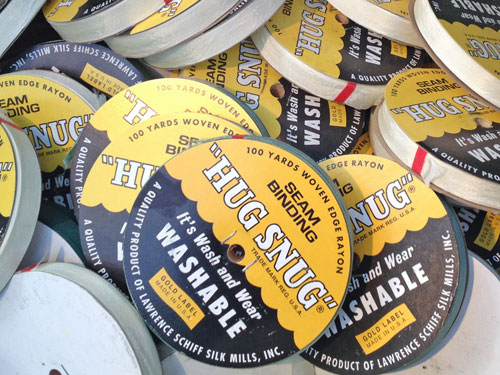
Bond’s Hug-Snug Seam Binding

Bond Products sells a number of narrow fabrics, one of the company’s original product offerings. Today we will talk about Hug-Snug seam binding, a rayon seam binding that can be used for a number of sewing applications, including as hem tape.

What is hem tape? Finer garments, such as pants and skirts, as well as many vintage pieces of clothing use hem tape to cover the hem allowance edge. If you look inside a tailor-made garment, you will see how hem tape is utilized to make the garment look better and last longer. It creates a neater, more finished look as well as a more comfortable drape and feel than you’ll find with most off-the-rack clothing. It’s a mark of quality in tailored and professionally sewn clothes.

You don’t have to be a tailor or a professional seamstress to give your own clothing these touches, however – not with Hug-Snug. How do you use this product? It can be sewn on flat as a standard hem tape or it can be used to enclose the raw hem edge, covering and preventing any fraying down the line in the life of the garment. Hug-Snug is not only attractive, it irons smoothly and easily. Because it’s lightweight, it will not bulk up your seams. It can also be used on curved pieces like arm holes with only a little extra pressing.

Hug-Snug is a 100% rayon ribbon with a satin finish and is available in limited colors. Bond Products carries the following Hug-Snug ribbon colors:

  • Goldenrod
  • Havanna Brown/Beige

Using rayon seam binding is a great alternative to buying a serger or overlock machine while still giving clothes a seam that will look beautiful and never unravel or fray. Best of all it’s very inexpensive, especially when purchased in quantity.

And clothing is not the only use for Hug-Snug! It can be used beautifully in a wide variety of crafts. There are so many different ideas available on Pinterest illustrating all the possibilities of seam binding tape from bows to ribbon flowers to ribbon-work embroidery. There are many amazing decorative possibilities for dresses, hats, or purses as well.

For garment making, crafts, or fabric hobbies, seam binding tape is a must, and Bond Products can help you find what you need. Call us at 1-888-800-BOND to order your Hug-Snug binding tape and any other carpet binding or narrow fabric supplies today.


Bond’s Hug-Snug Seam Binding Read More »

TISE Surfaces Event 2024

Bond Products Will Be at TISE! Come See Us!

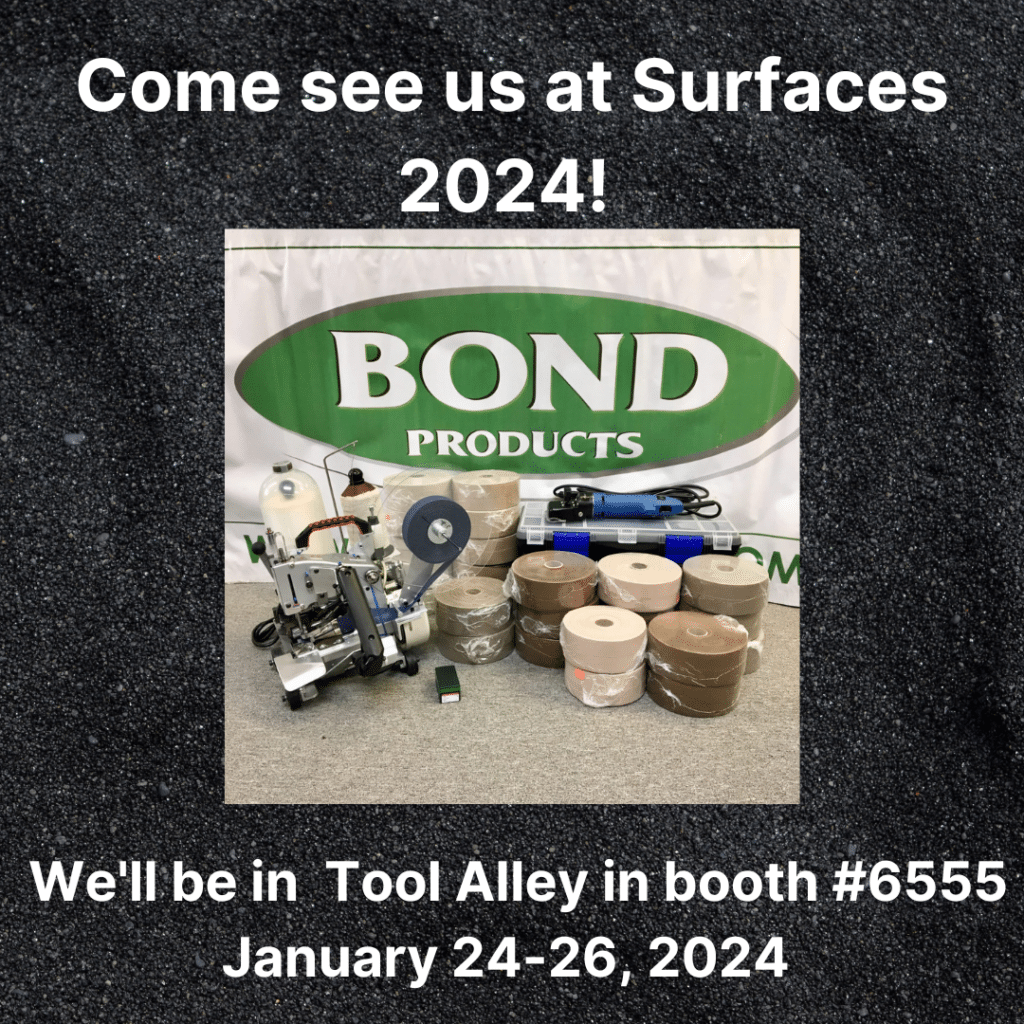
It’s the season for conventions and events! This Brian Milnes will be at TISE, The International Surface Event in Las Vegas, Nevada. Bond Products will be displaying in booth #6555 , so please stop by and say hello!

What is TISE?

The International Surface Event is three trade shows in one: SURFACES, StonExpo/Marmomac, and TileExpo events. TISE is the largest North American floor covering, stone, and tile industry event. It’s where everyone in the flooring industry goes to learn about flooring design, current and future trends, purchase products, and network with other people who work in the flooring business.

TISE exhibits will be open from January 24-26, 2024. We will be displaying and demonstrating our Instabind products, including our newest addition to our catalog of products, our fringe style Instabind™. If you are planning on attending TISE and you’d like to see how our Instabind™ line easily and inexpensively binds carpet and area rugs, check out booth #6555.

If you can’t by in Las Vegas for TISE this week, shop our online sale. Spend $100, and save 10% on any item (except already discounted package deals)! Use code SURFACES24 and save!

SURFACES sale


Bond Products Will Be at TISE! Come See Us! Read More »

right carpet binding

What Is the Right Carpet Binding or Serging Machine for Your Business?

One of the most frequently asked questions we get is: What binding or serging machine is the right choice for my business? With that inspiration we want to discuss and clarify our recommendations for each model machine in our line.

Portable vs. Stationary – the Pros and Cons

Portable machines are exactly that – portable. They are generally smaller machines on wheels that only require a small space to operate. They “roll” around the perimeter of the area rug either in your warehouse or right on the job site. They are considerably less of an initial investment than stationary machines and are generally recommended for those just getting started in the binding business or for those who simply do not have the space or budget required for stationary binders/sergers.

The benefits of portable machines are:

  • They require less space to operate
  • They are easily conveyed to the job site
  • They require a smaller initial investment

Stationary machines, or table models as they are often called, require more space to operate as you will have to pass the carpet through on a set of rollers or an air table. You’ll need a minimum of twelve feet both in front and in back of the machine. If using a set of conveyor rollers, we like to set them up preferably double width and twenty feet front and back along a wall space to handle the rolled carpet, and then re-roll it three more times to bind/surge each edge. An air table that is both long and wide enough does not require re-rolling as the carpet will “float” and “turn” easily, reducing the handling time and effort. At Bond Products we have an air table in house that is 16’ x 32’ that does a great job handling the majority of the larger rugs we finish.

The benefits of stationary machines are:

  • They run using foot pedals that free up both hands to maneuver the carpet more easily (especially when sewing on fringe).
  • They are faster and more powerful than most portables
  • They are heavy duty machines and require less maintenance
  • They spare the operator physical stress because kneeling isn’t required

Binding vs. Serging

Binding is the traditional way to finish a carpet edge, using a binding tape in either polyester or cotton. The most common width is 7/8” although 1-1/4”, 3” & 5” widths are options.

Serging is actually attaching or whipping a yarn over the edge of the carpet. Serging yarn is available in synthetic or cotton (i.e., oriental carpet edge).

Real serging requires a special serging machine, although a properly fitted binding machine can attach serging tape that closely mimics real surging without the expense of an additional machine.

One More Option…

Not ready to invest in a binding or serging machine? Consider the option of our DIY Instabind. You can easily apply a binding, serging, or rope edge using only a pair of scissors or a glue gun. We offer nine styles and many colors to choose from.

Bond’s Lineup includes:

HDS & HDSB Stationary Sergers

Our Union Special 81200 heavy duty wrap around table serger with binder. The most heavy duty serger on the market, bar-none.

  • Uses one spool of tex 210 bonded nylon and the serging yarn of your choice
  • Binds and serges in one pass operation
  • Also available without the binding attachment (stk# 21990x)
  • Comes complete with table, motor, and thread stands, etc.
  • Built on another quality Union Special head and backed by over 55 years of family owned & operated craftsmanship
  • Charge 5-7 dollars a foot and up for unmatched profits

Bond Alpha Mini 2000 Serger

Bond’s Alpha – mini 2000 has the best value of any portable carpet serger available!

  • Comes with no. 138 tex size 135 nylon thread  & cone of cotton yarn for starting up.
  • Great for all carpet, rugs, & mats
  • Utilizes the latest technology
  • Handles large range of carpet thickness & backings
  • Wraps perpendicular on the edges, not at an angle
  • Wraps evenly around edge, on both top & bottom
  • Maneuvers swiftly on its ball bearing wheels
  • Serges outside & inside corners, curves, or scallops with ease
  • Speed controlled electronically
  • Digital meter registers the volume of serging
  • Stand-up handle available
  • Lightweight & easy to transport
  • Designed for heavy duty use
  • Comes with spare needles, tool kit, & operation manual
  • Increases productivity
  • 90-day warranty against manufacturer defects

Bond BBL-1 Table Binder

Built on the highest quality Union Special head, our BBL-1 is our best-selling commercial base binder.

  • High speed, bobbinless, self-lubricating, low maintenance
  • Combines with Bond’s portable cove base cutter and winder for optimum efficiency
  • Priced complete with table, motor, thread & light stand

Bond BBL-2 Table Binder

The new Bond BBL-2 bobbinless carpet binder features 2 pulling wheels for a more positive feed. Perfect for binding carpet base, mill samples and high-speed production work. Self-lubricating, maintenance free and reliable, this machine is the choice for carpet workrooms with a high volume of work.

Features a 1/2 HP variable motor and will handle any width binding with a properly sized custom folder. This is a table model machine, perfect for adaptation to air tables and roller conveyor systems.  A cove base attachment is available as an option (runs carpet base hands free).

HDB-1 Table Binder

All new Heavy Duty Bobbinless Table Binder.

  • Sews through the toughest carpets effortlessly
  • Heavy berber, sisal and even bamboo cannot slow this beast
  • Binds with 1-1/4 up to optional 5 inch width tapes in a single pass or attach our tapestry guide for even wider applications
  • Heavy duty ½ hp variable speed motor
  • Self -oiling
  • Backed by Bond’s superior customer & technical support & service, it’s an investment that will pay for itself over and over

PBB-1X Portable Binder

Most economical, heavy duty,  high speed binder available. Variable speed to over 30 feet per minute. Glides through even tough unitary backings with ease. Put it on the floor and bind any size rug right where it lays. Also a terrific machine for binding carpet base with an optional cove base guide. Features include:

  • Bobbinless portable “no more changing bobbins”
  • High speed / variable speed with fingertip control
  • Extra heavy duty construction
  • Runs various widths of tape with optional folder attachments
  • Lightweight & portable
  • 110V, 60W, 8000 rpm HD motor
  • Binding over 30 feet per minute
  • Uses large spools of thread
  • Easy to thread with full access removable front access panel
  • Low maintenance / user friendly
  • Backed by Bond’s 90-day limited warranty

PBB-2X Portable Binder

With the most pull through power to tackle the thickest & hardest carpet backings and the high speed to run volumes of carpet cove base and area rugs.  Best of all, no more bobbin is required, so there’s no more stopping every 50-60 feet to replace a bobbin. Features include:

  • Bobbinless – no bobbin required
  • Extremely powerful and high speed
  • Adjustable speed trigger switch
  • Double puller 4 x 4 (top and bottom driven pullers both front and rear)
  • Independent rear puller lifter (run like a single puller for circles etc)
  • Binds up to 3-inch tapes with optional folders
  • Optional cove base guide
  • Easy threading accessibility & tension adjustments
  • Independent front & rear clutch pullers
  • Heavy duty casters
  • Lightweight
  • 8-foot cord
  • Holds large thread spools
  • Low maintenance / user friendly
  • Easy threading with full access removable front panel
  • Super heavy duty needle & looper
  • Straight chain stitch
  • Extra high lift of needle height
  • 110V standard heavy duty motor
  • Non-slip belt system
  • 90-day warranty on parts and service
    • Note: Bobbinless binders are straight stitch only!

PBL-TX Portable Tapestry Binder

Get up to date with our PBL-TX Tapestry Binder. Now you can put on the wide tapestry borders (up to 6-1/2″ on the face). Simply blind stitch the wide border on and “flip & glue” to the back side of the rug. Charge $7 to $9 and up per linear foot. A great additional income to your workroom or retail store business.

PBL-TXB Wide Tapestry & Binder Combo

All new Bond Model PBL-TXB Zigzag Lock-Stitch Tapestry Portable Binder. Comes with tapestry guide & your choice of a narrow folder. Why buy three different machines when one can do the job? Now available with a zigzag lockstitch that binds ¾ to 3” widths of tape in a single pass (with optional folder attachments) or tapestry blind stitch up to 6-1/2 inches wide.

  • Portable
  • Straight or zigzag stitch
  • Adjustable stitch length
  • High lift needle
  • Uses regular portable style A, HD bobbins
  • Binds over 10 feet per minute
  • Walking foot top and feed dog bottom for consistent pulling power
  • Optional 3-inch sisal  tape folders available
  • Four heavy duty caster wheels for stability
  • 8-foot cord standard
  • 220v motor optional
  • Backed by Bond’s 90-day warranty
    • Note: When using as a regular binding machine, it’s only intended for light to medium weight carpets, also ideal for upholstery work.
 

What Is the Right Carpet Binding or Serging Machine for Your Business? Read More »

slip-and-fall accidents

Avoid Slip-and-Fall Accidents with Your Rugs!

How dangerous are slip-and-fall accidents? It depends. Small children fall all of the time, get back up, and keep on trucking, but one spill can do a great deal of damage to the wrong person, particularly people over the age of 65. The National Institutes of Health conducted an analysis of injuries treated in emergency rooms from 2001-2008 in order to track slip-and-fall injuries, where they occur, and the pain and decreased mobility that resulted. Here is what they found:

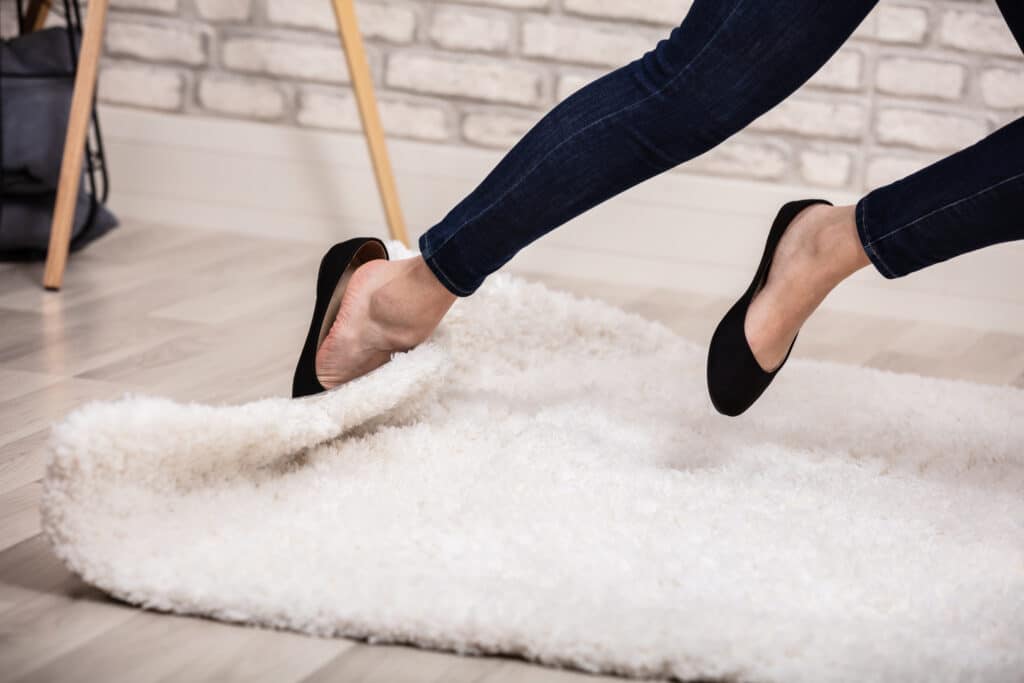
Every year within this time period American emergency rooms treated approximately 38,000 adults ages 65 and older for injuries sustained with carpets and rugs. In the majority of cases (72.8%) these injuries occurred at home. Women were much more likely to be treated than men.

The most common site in the home for falls was the bathroom (35.7%). Typically people fell when they were passing over spots where carpets met rugs or rugs met flooring, where there were wet spots on rugs or flooring, or while they were hurrying to the bathroom. Other problems associated with injuries included rugs or carpets with curled edges or fold, but loose area rugs were a bigger problem than carpets.

The most reported injuries were in people ages 75-84, and the injuries were most commonly to the head or neck. While older people often worry about falls because they so often result in fractures or breaks, they worry especially about hip fractures because they lead to complications and lesser mobility. Not only is a hip fracture painful, one in five people who suffer one will die within a year of their injury. Even following a successful recovery after a fall, older people will go out less and take fewer chances out of lingering fear.

Previously we talked about things you should do to keep your rugs from slipping and creating hazards in your home. Using products like non-slip rug pads, or rug backings will help to keep your rugs in place and therefore create less of a hazard in your home.

Rug Grippers and Non-Slip Rug Pad Products

The first type of anti-slip product is TRACTIONBACK Secondary Felt, Double-Grip rubber backing. This product is attached by latex or spray gluing as a secondary backing using either side: felt side down if laying on carpet, or rubber side down if non-skid on a hard surface is needed.

Another products is LOK-LIFT Rug Gripper which can be cut into strips and attached to the outline of the rug on its underside to keep it from moving. LOK-LIFT is safe for all floor surfaces. 

We also offer two non-slip rug pad products, Eco-Grip and Eco-Stay. These rug pads can be purchased to match the dimensions of your rug and cut down to size you need. Rug pads also provide cushioning underneath and make standing or walking on your rug more comfortable. 

If you haven’t secured the rugs in your home, now would be a good time to tackle that job – before colder weather presents us with even more slip and fall opportunities. Consider safety proofing the rugs in the homes or apartments of your older relatives or friends as well. A small investment in safety could mean years more of health and independent living for your loved ones and priceless peace of mind.

Call us at Bond Products if you need help or advice about the products necessary to make the rugs and carpets in your home safer to traverse.

Avoid Slip-and-Fall Accidents with Your Rugs! Read More »

pneumatic stapler

Why Do You Need a Pneumatic Stapler?

Have you thought about investing in new equipment in 2023? One useful tool we recommend solid hardwood flooring and engineered flooring professionals have is a pneumatic stapler or finish nail tool. If you don’t know why a pneumatic stapler is great to have, we will go through its uses here. 

What Is a Pneumatic Staple Gun?

A pneumatic staple gun is a tool that is often used in the construction industry and to install hardwood and engineered flooring underlayment. It looks like a gun and has a trigger and a cartridge for staples. The staple gun uses compressed air to drive staples into a hard surface like wood flooring. It’s simple to use and improves stapling accuracy, limiting damage to the object being stapled. 

In terms of efficiency, a pneumatic staple gun accomplishes a task much faster than a manual or even an electric stapler. Pneumatic tools require less maintenance than other kinds of tools as well. Using compressed air rather than gas or electricity keeps costs down too. 

What Does a Pneumatic Stapler Do?

People use pneumatic staple guns to attach materials that might become easily dislodged if they were attached with a small nail. These include: insulation, house wrap, roofing felt, and hardwood flooring or engineered flooring underlayment. These pneumatic staplers use a variety of crown widths, depending on the fastener application’s requirements. They range from narrow to wide crown. The choice of staple will depend on the material you’re fastening or your holding power requirements. 

Pneumatic staple guns are serious equipment, so if you invest in one, you should also commit to wearing safety glasses and ear protection while operating it. Also: use your pneumatic stapler according to directions at all times. 

The Pneumatic 18GA Narrow Crown Professional Underlayment Stapler

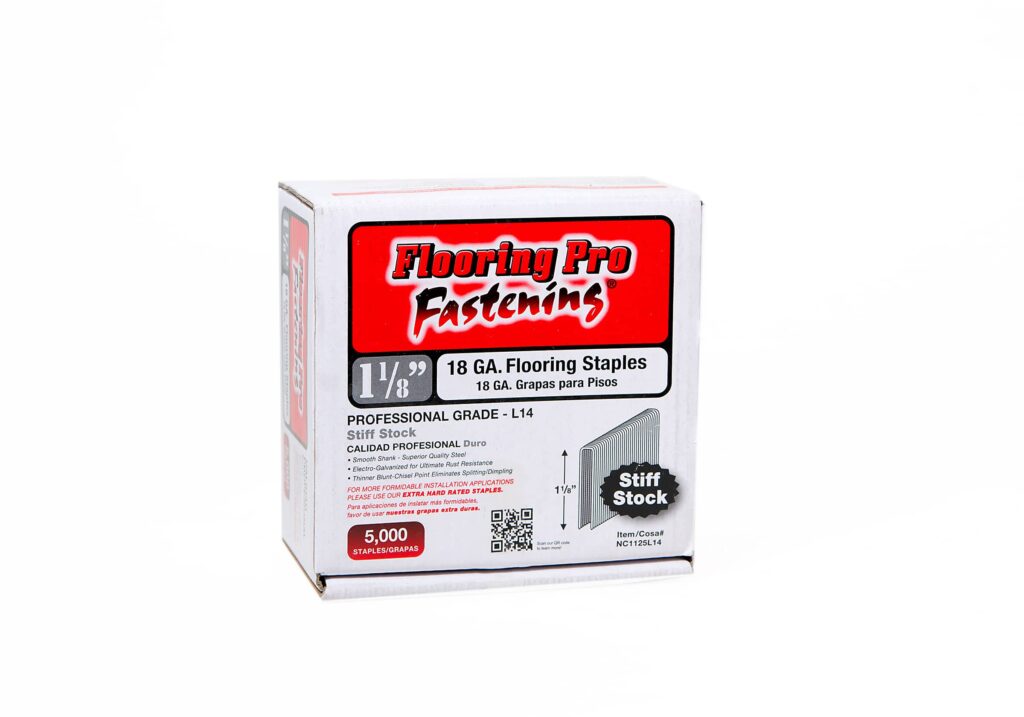
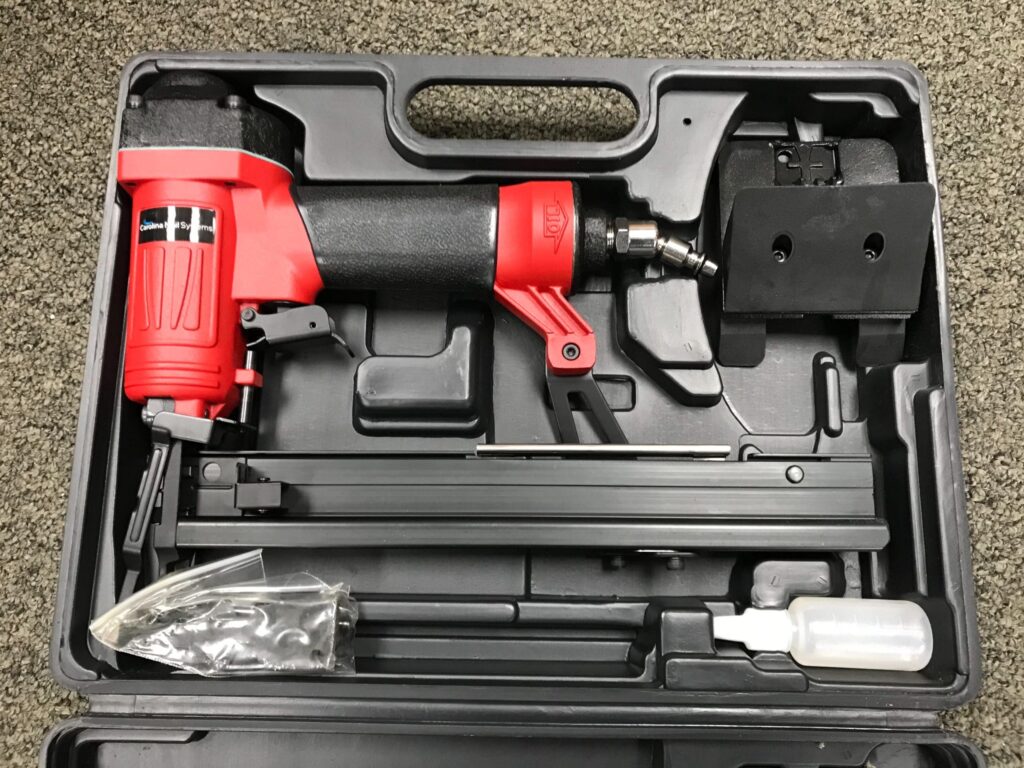
The pneumatic stapler Bond Products carries and recommends is the Pneumatic 18GA Narrow Crown Professional Underlayment Stapler. This stapler weighs only 2.8 pounds, has a fast jam release and a 360° adjustable exhaust. It’s operation is bump/single fire, and it has an operating pressure of 70-100 PSI. 

This underlayment stapler uses 18 GA staples from ⅞” to 1-½”. You may have heard that the U.S. Commerce Department has recently increased duties on all Chinese producers and exporters by 301.64%. This definitely applies to staples made by Chinese manufacturers, including 18 GA staples. Fortunately, the ProDriveHD® brand staples we offer at Bond Products are not subject to fluctuating prices because of tariffs. 

If you are in the market for a pneumatic stapler, we at Bond Products have you covered. Call us today at 1-888-800-BOND to place your order for your stapler and any staples you require. 


Why Do You Need a Pneumatic Stapler? Read More »

Close the CTA

All NEW customers use code

WELCOMETOBOND & save 5% today!

Scroll to Top