bondsalesteam

Carpet Binding vs. Carpet Serging: What’s the Difference?

When finishing the edges of an area rug or custom carpet piece, two popular techniques are used: carpet binding and carpet serging. Both methods help prevent fraying and enhance the durability of your rug, but they offer different looks, costs, and applications. In this guide, we’ll break down carpet binding vs. carpet serging, so you can confidently choose the right finish for your next rug or carpet project.

The Basics of Carpet Manufacture

Because of the way carpet is manufactured, purchased, and cut, it needs to be bound in some way – both to keep it from coming apart at the edges and to make it look nice. This is where binding and serging play a role.

Where traditional area rugs are a form of fabric craft and can be rolled tightly and moved, modern mass-produced carpet is made to stay put and look smooth and uniform. The backing on carpeting you buy by the foot is tough. In addition to the face yarn – the part you see and walk on – the reverse side of the carpet has a primary backing and then, potentially, a high performance pre-coating, a thermoplastic compound, fiberglass reinforcement, and another layer of thermoplastic compound. At the very least there’s a latex layer and a secondary backing. It’s supposed to help the carpet to lay there and lay flat until you don’t want it there any more and rip it up, and replace it.

The problem is that with carpeting being so stiff, binding it isn’t as easy as whip stitching the edge. This is why Bond Products offers a number of binding and serging solutions. 

What Is Carpet Binding?

Carpet binding involves sewing a strip of fabric—made from polyester, cotton, or synthetic material—along the raw edge of a carpet. This binding tape is folded over the edge and stitched in place using a carpet binder, which creates a clean, secure finish. The width of the binding is usually ¼ to ⅜ths of an inch and generally the color of the binding is matched to the most noticeable color in the carpet itself. 

Key Features of Carpet Binding:

At Bond Products, we offer both stationary and portable carpet binding machines, along with a full line of binding tapes and accessories.


What Is Carpet Serging?

Carpet serging is a process where continuous yarn is sewn around the carpet’s edge, creating a wrapped, overlocked appearance. It closely resembles the look of a traditional whip stitch, except that the yarn on the edge is very close together and it’s done by machine. The width of the serging is traditionally ⅜ths of an inch, and the yarn is chosen to match the carpet as well. 

Key Features of Carpet Serging:

  • Decorative, upscale appearance
  • Mimics hand-stitched finish
  • Yarn color is usually matched to the carpet
  • Ideal for high-end rugs and oriental rug restorations

Bond Products offers high-quality portable serging machines and a wide selection of serging yarns in various colors and styles.


Carpet Binding vs. Carpet Serging: Side-by-Side Comparison

carpet binding vs. carpet serging

When to Choose Binding or Serging

Choose Carpet Binding If:

  • You’re looking for a cost-effective solution
  • You’re binding carpet remnants or runners
  • You want a clean, subtle finish

Choose Carpet Serging If:

  • You want a high-end, decorative finish
  • You’re restoring oriental rugs
  • You’re creating a custom rug for a luxury space

Some people prefer the look of a bound carpet edge to a serged one, but it’s a matter of taste. Both are permanently attached and give a cut piece of carpet a more finished, elegant look. The goal of binding and serging is ultimately the same: to extend the life of the carpet and make it look nice.

FAQ: Carpet Binding vs. Carpet Serging

What’s the main difference between carpet binding and carpet serging?

Binding uses a fabric tape stitched onto the edge, while serging uses yarn wrapped and sewn continuously around the edge.

Is carpet serging more durable than binding?

Both are durable, but serging offers a more seamless finish, which may better resist wear in high-end or heavily used rugs.

Which is more cost-effective?

Carpet binding is generally more affordable, making it ideal for large projects or budget-conscious clients.

Can I do carpet binding or serging myself?

Yes! With the right tools, including portable machines available from Bond Products, both can be done in a workshop or on-site.

For the weekend DIYer, there’s Instabind. With scissors, a hot glue gun, tape, and binding tape, you can glue on a professional looking binding for whatever smaller carpeting projects you want to tackle.

Does Bond Products sell carpet binding and serging supplies?

Absolutely. We offer binding and serging equipment and all the supplies needed for these jobs, whether that is binding tapes, serging yarn, thread, bobbins, or needles.

Final Thoughts: Which Should You Choose?

When comparing carpet binding vs. carpet serging, your choice depends on the look you want, your budget, and how the rug will be used. Binding is fast, clean, and budget-friendly. Serging is refined, seamless, and perfect for statement pieces.

Still not sure which option is right for your project? Contact Bond Products at 1-888-800-BOND—we’re happy to help you select the best equipment and materials for the job.


Carpet Binding vs. Carpet Serging: What’s the Difference? Read More »

tapestry binder Model-PBLTX

What Is a Carpet Binder?

If you’ve ever had a carpet cut to size or turned a carpet remnant into a beautiful area rug, chances are a carpet binder was involved in the process. But what exactly is a carpet binder—and how does it help turn a raw piece of carpet into something polished, functional, and long-lasting? Here we will break down what a carpet binder is, how carpet binding works, and why it’s an essential part of finishing carpets. 

Whether you’re a flooring professional, a business owner looking to expand your service offerings, or just curious about DIY carpet work, this guide will help you understand everything you need to know.

What Is a Carpet Binder?

A carpet binder is a machine that finishes the raw edges of carpet by attaching a strip of fabric, tape, or yarn to prevent fraying and create a clean, professional edge. There are different types of carpet binders, but these machines are a vital part of the carpet binding process, which transforms cut carpet into finished area rugs, runners, stair treads, and more.

Carpet binders come in two main types: stationary and portable. Each has its own strengths, depending on the job size and workspace.

What Is the Difference Between a Stationary and a Portable Carpet Binder?

Stationary Carpet Binders

A stationary carpet binder stays in one place while the carpet is fed through the machine. These are typically found in workshops or production environments where there’s enough room to move large carpet pieces across a table. Bond Products’ Model TMB-1 Double Puller Binder is a powerful example that even includes fringing capabilities for high-end or oriental rugs.


Best for: High-volume work, custom rug production, or commercial settings.

Portable Carpet Binders

Portable carpet binders are moved around the carpet’s edge by the operator. They’re great for large rugs, onsite installations, or smaller workspaces. Bond Products’ PBB-1X Bobbinless Portable Binder is bobbin-free, so there’s no need to stop and reload, which saves time and increases efficiency.


Best for: Mobile jobs, in-home installations, or binding large pieces where movement is limited.

Have more questions? Read our guide on the best uses of portable vs. stationary carpet binders

Using Instabind as an Alternative to Traditional Carpet Binding

If you’re looking for a quick, DIY-friendly alternative to traditional carpet binding, Instabind carpet binding tape is a fantastic option. Instabind lets you finish carpet edges without the need for a carpet binder machine—making it ideal for homeowners, crafters, or professionals working on-site with limited equipment.

What Is Carpet Binding?

Carpet binding is the process of applying a finished edge to raw carpet to prevent unraveling and enhance its appearance. It’s commonly used to:

  • Create custom area rugs from broadloom carpet
  • Repair frayed or worn edges
  • Add decorative borders
  • Protect carpet in high-traffic areas 

Binding materials range from simple polyester tape to more decorative options like cotton, linen, leather, or yarn serging.

What Is the Carpet Binding Process Like?

The carpet binding process includes a few key steps:

  1. Cutting the Carpet – The carpet is cut to the desired shape or size.
  2. Power Beveling (if needed) – Thick carpet may be beveled for a smoother transition between the edge and the binding.
  3. Choosing a Binding Style – This depends on the carpet type and the look you want.
  4. Binding the Carpet – The binding is stitched or glued to the edge using a carpet binder machine.
  5. Sealing Corners – Hot glue or staples are used to secure the edges and prevent unraveling. 

This process can be done in a shop using stationary machines or on-site with portable binders.

When Is Carpet Binding Necessary?

Carpet binding is useful in many situations, including:

  • Turning carpet remnants into area rugs, stair runners, or mats
  • Resizing or modifying existing rugs
  • Repairing damage like fraying, damaged fringe, or stains along the edges
  • Adding style to plain carpet with decorative borders
  • Joining pieces to create unique rugs from multiple carpet scraps 

It’s a practical and cost-effective way to give new life to unused carpet!

What Carpet Binding Options Are There?

Here are the most common types of carpet binding styles and materials:

Polyester Binding

Polyester carpet binding is affordable and durable and great for high-traffic and indoor/outdoor areas. 

Cotton Binding

Cotton has a clean, soft look and is often used for decorative or premium rugs.

Linen or Leather Binding

Linen and leather bindings offer a heavier, upscale look. They are very durable and eye-catching and ideal for wide binding and designer projects. 

Serging with Yarn

Serging is another option for carpets. It creates a stitched yarn edge that mimics hand-finishing and offers a detailed, high-end finish. 

Fringe

Fringe is often an integral part of oriental or traditional-style rugs, and it can be replaced if the original is soiled or damaged. 


What Are the Benefits of Carpet Binding in High-Traffic Areas?

Carpet binding protects the edge of the rug from fraying and wear and extends the life of the rug. It improves safety by eliminating loose threads or corners, adds style to otherwise plain carpet pieces, and preserves your investment in your rug, especially in entryways, hallways, or staircases.

Bound rugs also tend to hold up better when exposed to moisture or frequent cleaning.

How Is the Cost of Carpet Binding Determined?

The cost of carpet binding depends on several factors:

  • Binding material – Polyester is the most affordable, while cotton, leather, or linen may cost more
  • Type of carpet – Thick or plush carpets may require extra labor or power beveling
  • Linear feet – Most services charge by the linear foot (the perimeter of the rug)
  • Additional services – Cutting, gluing, or specialty work like serging or fringing can increase the total 

On average, expect prices to start around $2 per linear foot and increase based on your choices and location.

FAQ About Carpet Binders & Carpet Binding

What is the purpose of a carpet binder machine?

A carpet binder machine attaches fabric or tape to the edge of a carpet to finish and protect it. It prevents fraying and gives the rug a clean, professional look.

Can I use a portable binder at home?

Yes! Portable carpet binders are ideal for DIYers or professionals doing on-site work. They’re compact, easy to use, and save space.

What’s the difference between serging and binding?

Serging uses yarn to stitch around the edge of the carpet, creating a more natural or hand-finished look. Binding uses a flat strip of fabric or tape for a sleek and modern finish.

Can I bind carpet remnants myself?

With the right equipment and some guidance or by using our Instabind carpet binding tape, you can bind carpet remnants yourself. Many flooring pros and DIYers do exactly that.

FAQ About Bond Products

What is Bond Products?

Bond Products is a family-owned flooring tool and supply company based in Philadelphia. We’ve been manufacturing carpet binding equipment and materials for over 75 years.

Do you sell carpet binders?

Yes! Bond Products offers both stationary and portable carpet binding machines, along with all the tools and materials needed for carpet finishing.

Can I buy binding supplies directly from Bond Products?

Absolutely. Browse our binding tapes, machines, threads, serging yarn, fringes, and more.

Do you offer support for your machines?

Yes! Our team is happy to help with setup, troubleshooting, and maintenance for any type of carpet binder. Just give us a call at 1-888-800-BOND.

Final Thoughts

A carpet binder is more than just a machine—it’s the key to turning carpet scraps, cuts, and repairs into clean, long-lasting, and stylish rugs. Whether you’re working in a workshop or on-site, carpet binding helps protect your flooring investment while giving it a finished look.

At Bond Products, we offer everything you need to get started or upgrade your current setup—from portable binders and industrial machines to high-quality tapes and tools. Need help choosing the right binding equipment or supplies? Contact us today or shop online 24/7. Call us with any questions you may have!


What Is a Carpet Binder? Read More »

how to layer area rugs

How to Layer Area Rugs for Depth, Texture, and Style

One standout rug design style continues to capture attention: rug layering. This design approach is fun and adds aesthetic depth and scale to a room in a way few other techniques can. Here we will talk about how to layer area rugs to make your home decor truly stand out. 

At Bond Products, our motto is “Every hard floor needs a nice area rug.” But if you’ve already got a rug in place, what’s next? Layering your rugs can transform a basic space into something rich, comfortable, and visually dynamic. Hard floors give you flexibility, and layering gives you even more options to mix things up without a full redesign.

Why Rug Layering Works

Layering allows you to highlight a smaller, more intricate, or more valuable rug by placing it on top of a larger, more neutral one. This technique adds interest without overwhelming the space. It also helps fill large floor areas without making your prized rug look undersized or out of place.

Think of the lower rug as a frame that supports and enhances the upper one. 

Hardwood, tile, and even bland wall-to-wall carpeting become a canvas for creativity when you know how to layer area rugs the right way.

Choosing the Right Rugs to Layer

The top rug should always be your most visually compelling piece—it’s the star of the show. The rug underneath should complement it in color and texture but stay subdued enough not to compete for attention. A common and stylish combo is a natural fiber rug, like sisal, beneath a woven or vintage-style area rug.

Make sure the bottom rug fills the space well, ideally leaving 12 to 14 inches between its edges and the room’s walls. This gives you that balanced, grounded look that decorators strive for.

Don’t Be Afraid of Shapes or Imperfections

Rugs don’t have to sit squarely on top of each other. Angled layering or using a uniquely shaped animal hide rug as your top layer can create movement and drama. Layering also solves practical problems. If you have a rug you love that has a stain or hole, place a smaller accent rug over that section to hide it. If you’re stuck with a beige carpet you dislike, layering can mask it without replacing it.

Layering rugs also gives new life to remnant carpet pieces. With custom binding from Bond Products, even the most basic remnant can become a stylish foundational layer.

Make the Most of Your Rugs

Learning how to layer area rugs gives you a new design tool and a way to refresh a tired space without making a big investment. Whether you’re working with high-end hand-knotted rugs or cost-effective carpet remnants, layering lets you get creative with color, texture, and layout.

If you need help selecting rug binding supplies, custom area rug tools, or flooring accessories to complete your look, Bond Products is here to help. Reach out to us today at 1-888-800-BOND, and we’ll help you bring your layered rug vision to life.


How to Layer Area Rugs for Depth, Texture, and Style Read More »

use cotton Instabind to bind wool rugs

Use Cotton Instabind for Wool or Antique Rugs

At Bond Products we are proud of our Instabind binding tape. It works wonderfully to bind a whole range of rugs or carpet remnants. Our most popular Instabind choice is the regular polyester binding tape, but for natural fiber rugs, including wool rugs, Oriental rugs, or antique rugs, we recommend using cotton Instabind.

Many Instabind Options

We offer the following Instabind options:

  • Regular
  • Cotton
  • Faux leather
  • Synthetic Serge
  • Cotton Serge
  • Rope Edge
  • Outdoor Marine
  • Safety Edge

These are all great binding tapes that will make your rug or carpet remnant look much neater after you’ve bound it with Instabind. Some people want a specific look or want the binding to stand out so they will choose the safety edge Instabind, for example. Most of our customers choose the regular Instabind which is a good choice for a rug made out of man made fibers. For wool, Oriental, or other natural fiber rugs, however, we recommend our customers choose the cotton Instabind or the cotton serge style Instabind.

Use Cotton Instabind

Here is Bond’s rule of thumb: If the carpet or rug is cotton or wool, use natural fiber binding or serging. If it’s a synthetic rug or carpet, then synthetic binding or serging is appropriate. Cotton is still the higher quality look, however. For the highest quality look, cotton Instabind is always the best choice.

You can purchase Instabind in standard 54-foot rolls or custom size lengths for a small upcharge for cutting the roll to size. All of the Instabind choices are available in 30 stock colors from our sisal color swatch card. Because we offer so many color choices, our customers should be able to find a good color match for their carpets or rugs. In most cases customers are best off selecting the closest color match. Some customers like to choose a contrasting color for a more arresting look. However, from a design perspective because the binding tape is narrow, most of the time this looks odd. It calls attention to the binding instead of the carpet.

Of course, if you have questions about which kind of Instabind would work best or look best for your personal application, our customer service staff is happy to discuss all of the options Bond offers and which ones our customers typically use. Please contact us or call us at (888) 800-2663 (BOND) for help. We are open Monday to Friday from 7:45 AM to 4:15 PM to provide any help we can.


Use Cotton Instabind for Wool or Antique Rugs Read More »

hook-and-loop fastener

The History of the Hook-and-Loop Fastener

Did you know that the invention of hook-and-loop fasteners, more commonly known by the brand name, Velcro, was inspired by a walk in nature? The idea came to George de Mestral, a Swiss engineer, after he’d taken his dog on a hunting trip in the Alps. Both he and the dog had gotten burrs all over their fur and clothes because you only have to brush against a burdock plant fro them to attach themselves. They stick very stubbornly and are very hard to remove from fur. Later, when de Mestral examined the seeds carefully under a microscope, he learned why that is. Each burdock seed has hundreds of tiny hooks that latch onto anything that has loops – like fur or clothes or hair.

Inspired, de Mestral set about inventing a material that could be used as a fastener replicating this same natural “technology.” This is called biomimicry. His first attempt was made from cotton fabric, but he found that cotton degraded quickly over time. At the time nylon was a new fabric, introduced to the world by DuPont who debuted a toothbrush made from it in 1938, and scientists were coming up with all kinds of new uses for it, including wartime ones like parachutes. Nylon is a synthetic material, made from coal or petroleum. It does not degrade quickly and proved to be the ideal cloth to use for de Mestral’s invention, which he called “Velcro,” combining two French words, “velours” and “crochet” (French for “hook”).

Initially de Mestral meant his fastener to replace zippers, but this wasn’t a use that took off. Instead it was incorporated into space suits, ski suits, scuba and marine gear and then eventually used for children’s clothing. When the Velcro patent expired in 1978, many companies replicated and sold it far less expensively, and it became much better known and widely used.

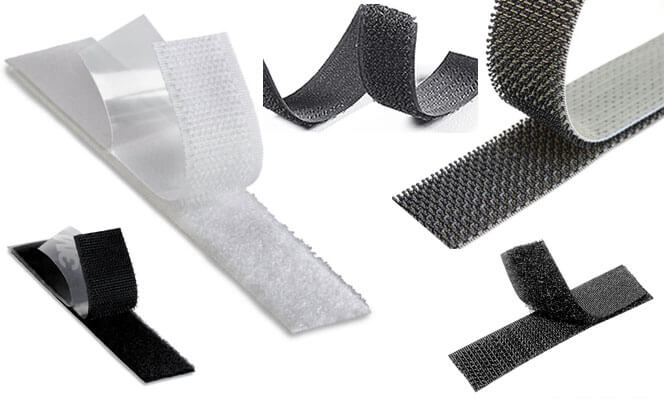
Today there are so many ways to use hook-and-loop fasteners, from clothing to crafts to carpets. It can be sewn onto material as it always has been or adhered to plaster, wood, or metal. Bond Products offers a number of different hook-and-loop products designed with peel-and-stick application to adhere carpet to floors. These come either tapes or coins and in a variety of colors to match your carpet.

If you’re looking for hook-and-loop fastening for larger products or bulk needs, call Bond Products today to order. Take some time and browse our other narrow tape options as well. Our company has long specialized in narrow fabrics, and we still have a large selection for any consumer need.


The History of the Hook-and-Loop Fastener Read More »

new rug fringe styles and colors

New Rug Fringe Styles and Colors Available!

When it comes to finishing rugs, fringe is more than just an accessory—it’s an important detail that can transform a rug into a timeless piece of art. At Bond Products, we offer a diverse selection of cotton rug fringes to meet the needs of rug restoration professionals, designers, and hobbyists alike. And we have new rug fringe styles and colors available! Whether you’re restoring an heirloom oriental rug or adding an elegant touch to a new project, our cotton fringes deliver both beauty and durability. 

Cotton Rug Fringe Options at Bond Products

Here’s an overview of the different types of cotton rug fringes we offer, including our two newest additions, Gold and Coffee, available in December 2024.

Cotton Knot Fringe

Our Cotton Knot Fringe is a versatile and high-quality option that has become a favorite for rug restorations and finishing. It comes in several different lengths, from 2 ½ inches to 3 ½ inches to 4 ½ inches, depending on the fringe, with a ½ -inch border for easy application. It’s available by the foot, with a 10-foot minimum to suit projects of any size.

New Rug Fringe Styles and Colors: Gold and Coffee 

We’re excited to introduce two new colors for our Cotton Knot Fringe lineup: Gold and Coffee. These fresh additions offer even more choice to our customers, making it easier to find the perfect match for your project.

Gold Cotton Knot Fringe

Our Gold Cotton Knot Fringe brings a luxurious touch to any rug. Its warm hue complements rich colors often found in traditional oriental rugs, as well as modern rugs with warm palettes. 

Coffee Cotton Knot Fringe

For a more understated, earthy tone, our Coffee Cotton Knot Fringe is an excellent choice. Its soft, neutral brown shade pairs beautifully with muted or natural tones, making it an ideal option for rugs with rustic, vintage, or minimalist designs. 

Why Choose Bond Products’ Cotton Rug Fringe?

Here’s what sets our rug fringes apart:

Authenticity: Our fringes replicate the traditional styles used in oriental and antique rugs, ensuring an authentic look and feel.

Customizable Options: With the ability to order by the foot, you can use them for projects of any size.

Wide Selection: With a variety of colors and patterns, it’s easy to find the perfect match for your rug restoration or design project.

Dependability: As a family-owned business with over 100 years of experience, Bond Products takes pride in delivering durable, high-quality products to our customers.

Whether you’re breathing new life into a treasured rug or adding the finishing touches to a custom project, Bond Products’ cotton rug fringes provide what you need. Explore our full selection of carpet fringe options today. For questions or assistance with your order, call our friendly customer service staff at 1-888-800-BOND, and our team will be happy to help!


New Rug Fringe Styles and Colors Available! Read More »

Bond's 5 new cotton colors

Bond’s 5 New Cotton Colors Give You More Color Matching Options!

Bond has just added 5 new cotton colors to our Bond 400 Cotton Binding Tape inventory! Our Bond 400 Cotton Card now has 75 colors of 3/4 & 1-1/4 inch widths of both cotton binding and serging tape (1-1/4″ only). 

5 New Cotton Colors

For carpet and rug binding, precise color matching is a necessity. At Bond Products, we recognize this and proudly offer an extensive range of color cards designed to meet all of your binding and serging needs. Our color cards are indispensable tools for professionals in the carpet and rug binding industry, as they make precise color matching easy every time.

Why Choose Bond Products’ Color Cards?

Color Matching
Our color cards eliminate guesswork, helping you select the exact shades needed for carpet binding tapes, serging yarns, and more. This accuracy is critical for maintaining consistency in both product lines and custom projects.

Extensive Variety
Bond Products offers a diverse collection of color cards, showcasing everything from cotton serging tape to sisal and faux leather. Each card is specially crafted, providing an accurate representation of available colors for virtually any binding or serging need. Some of our top options include:

Cost-Effective Solutions
Investing in our color cards is a small price to pay for avoiding costly mistakes and mismatched colors. They help streamline decision-making, saving time, money, and frustration.

Easy to Use
Designed for efficiency, our color cards feature a clear and organized layout, simplifying the selection process.

Ideal for a Range of Applications

Bond Products’ 5 new cotton colors aren’t just for carpets, of course. They’re extremely versatile, ideal for upholstery, automotive interiors, marine environments, and any project requiring precise color coordination. Our high-quality cotton tapes are proudly woven, dyed, and finished at our family-owned Philadelphia textile mill, which has been in operation for over 100 years. We also offer custom dyeing services to match your unique color samples. For minimums, prices, or any questions, call us at 1-888-800-BOND.

Trust Bond Products to help you achieve impeccable color coordination for all of your carpet and upholstery needs. 


Bond’s 5 New Cotton Colors Give You More Color Matching Options! Read More »

Cajun Contractor

Discussing New Products with Michael King, the Cajun Contractor

We are always pleased to be featured on Home Talk USA with Michael King, The Cajun Contractor. If you’re unfamiliar with Michael King or his program, Home Talk USA is a weekly Q&A format talk show that provides useful information about home improvement to contractors, homeowners, and DIYers. If you like home improvement, this is the show for you.

This time around Brian highlighted:

The different styles of Instabind, including the new fringe style Instabind – Instabind styles mimic standard or traditional binding without showing any stitching. The DIY peel-and-stick fringe Instabind is high quality and can be applied quickly and easily to replace old or damaged fringes on your area rugs. All that you will need to apply it is a glue gun, glue, and a pair of scissors.

 Click here to go to Bond Products’ page on HomeTalk’s website. 


Discussing New Products with Michael King, the Cajun Contractor Read More »

cobweb

The Sacred Cat Rug – an Ancient and Haunted Object

As the year gets longer and days get shorter, we all look forward to the holidays. In celebration of the spooky month of October and Halloween, we thought we’d tell you about another famous old rug. This one is not just ancient, it’s rumored to be haunted.

An Ancient Haunted Rug

sacred cat rug
Image source: Ancient Origins

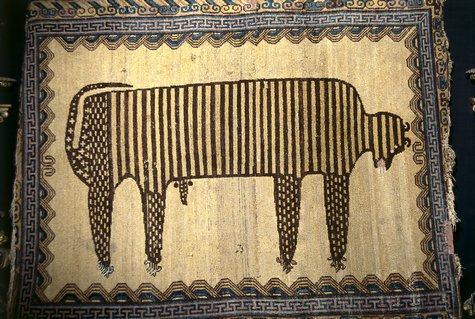
The Sacred Cat rug is another contender for the claim of World’s Oldest Rug. It is believed to be 2,400 years old. This rug was taken from a pyramid or other archeological site, almost certainly stolen by treasure hunters. When it came into the possession of the last owner, Abraham S. Mussallem, it was wrapped around a mummified foot. If that’s not creepy enough, this rug was woven entirely from cat hair.

The ancient Egyptians viewed cats as sacred, and the penalties for injuring or killing a cat were severe, including being put to death. As an agrarian society, Egypt revered cats for their ability to control the vermin like mice and rats or poisonous snakes that often threatened their grain stores. To these Egyptians, cats were magical and could bring good luck. Some Egyptians dressed their cats in jewels and even mummified them when they died. Imagine the number of cats and the amount of cat hair that would have to be collected to weave an entire rug from it.

View the Sacred Cat Rug

Today the Sacred Cat Rug can be viewed in Villa Zorayda Museum in St. Augustine, Florida, along with the mummified (and jewel encrusted) foot it came with. Is the foot a warning? Legend has it that anyone who sets foot on this rug carelessly will die soon afterwards. It’s rumored that, during the rug’s last restoration, a dead cat was found on the front steps of the museum. Fortunately for all of us and the rug’s longevity, the rug is now kept safely behind glass on the second floor of the museum.

It’s unlikely that any of the area rugs in your house are haunted, and that’s a good thing! However, if any of your rugs need restoration or rebinding, Bond Products has everything anyone would need for the job – except for cat-hair Instabind. If your rug is woven from the cat hair of ancient Egyptian cats, you may be out of luck if you want a binding made of the same material. For everyone else looking for the binding equipment, rug fringe, thread, or Instabind necessary to turn a horror of a rug into a beauty, contact us today. We’d love to help.


The Sacred Cat Rug – an Ancient and Haunted Object Read More »

Bond's portable bag closer

Bond’s Portable Bag Closer Seals All Kinds of Bags

If your business relies on bags to contain and ship product, you need a portable bag closer. Bond offers bag closing machines that are fast, lightweight, and reliable. Our bag closer can be used on a wide variety of bags and for many different types of uses. 

Bag closing machines are used by packers in many industries. Flour, grain, feed, chemicals, seed, coffee, sugar, salt, minerals, and grocery staples, including dog and cat food, come in large bags that are sewn shut. How is this accomplished? With a bag closer. Not all bag closers are created equally, though. You can find cheap bag closers online, but, as with so many other products, you get what you pay for in terms of quality, ease of use, and reliability.

Bond’s Portable Bag Closer

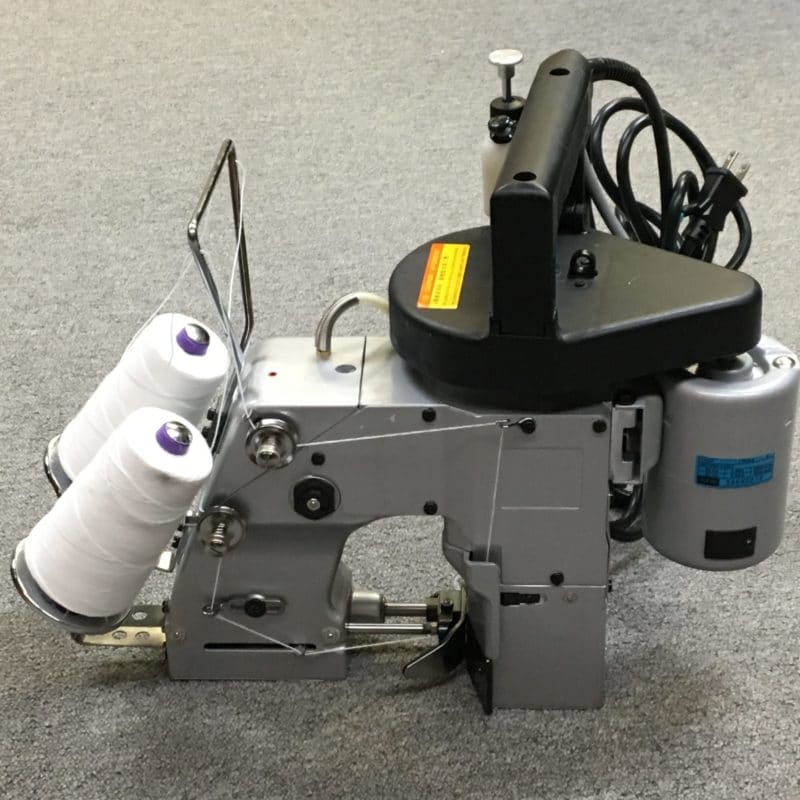
Our bag closer is a nice little machine, easy to hold and handle. It’s lightweight, simple to use, and requires little maintenance. It works on plain and folded top closures. This bag closer is designed to close bags made of many types of materials, including paper, burlap, cotton, linen, jute, and plastic. It can also close waterproofed materials. 

This bag closer weighs only 12 pounds and is very durable. It’s built tough so that it can work all day long without issue. It operates using a 110 volt motor and an oil lubrication system. It only requires a little practice before the user can produce nice seams across bags of many types. It has a safe plastic handle and can be operated with only one hand, leaving the other free to maneuver the bag into place for closing.

The machine uses straight #25 needles, the same type of needle that the PBB 2×2 or 4×4 use. It sews 11/3 white poly cotton thread and requires two poly cotton threads to operate. 

This closer is on track to be the world’s leading portable bag closer as it’s useful in so many settings: agriculture, transportation and shipping, business, and too many industries to list. It’s useful for initial packing, but it can also be used to close bags that have come open or repair damaged bags at the loading dock, in warehouse and railway stations, in post offices, or in grocery stores. If your business doesn’t ship product but receives product in bags for storage, this is a machine you need because there is always packaging that gets damaged in transit. 

Call us at 1-888-800-BOND to learn more about Bond’s portable bag closer and how it can help make packing and shipping product a quick and easy process for your company. This is a great product, and we are happy to offer it to our customers.


Bond’s Portable Bag Closer Seals All Kinds of Bags Read More »

sisal color cards

Bond’s Color Cards Make Color Matching Easy

For carpet and rug binding, matching colors precisely is a necessity. Because we understand this, Bond offers a comprehensive array of color cards that cater to every binding and serging need. These color cards are essential tools for anyone in the carpet and rug binding industry who wants to make the perfect color match every time.

Why Invest in Color Cards?

There are a number of reasons to purchase our color charts and cards, including: 

Precision in Color Matching: Bond’s color charts eliminate the guesswork in selecting the appropriate shades for carpet binding tapes, serging yarns, and more. This is essential for maintaining consistency in product lines and custom projects.

Wide Variety: With a range of options covering everything from cotton serging tape to sisal and faux leather, Bond Products’ color cards provide solutions for nearly any rug-binding (or serging) need. Each card is detailed, offering a true representation of our available colors.

And more!

Cost-Effective: Purchasing color cards is a minor investment compared to the cost of mistakes and mismatched colors in a project. They help in making informed decisions that save money, time, and frustration in the long run.

Ease of Use: The clear, organized layout of the color charts makes them easy to use and reference, streamlining the selection process.

Ideal for Multiple Applications

Bond’s color charts and cards are not just for carpets. They are invaluable for upholstery, automotive interiors, marine environments, and anywhere precise color coordination is required. They help professionals create products that meet exact specifications, enhancing customer satisfaction.

For those in the carpet and rug binding industry, Bond Products’ color cards are more than just a tool; they are an integral part of the creative color-matching process. Our quality cotton tapes are woven, dyed, and finished here in our family’s 5th generation 100+ year old Philadelphia textile mill. Custom dying is also available to match your color samples. Please call us at 1-888-800-BOND for minimums and prices. We are always ready to answer your questions and match you with the products you need. 


Bond’s Color Cards Make Color Matching Easy Read More »

outdoor carpet

Outdoor Carpet: What Are My Options?

Are you thinking of investing in outdoor carpet? In the past decades your options for have multiplied exponentially. You’re no longer limited to artificial turf. Today’s outdoor carpet (or indoor/outdoor carpet) looks much like indoor carpet. The difference is that it’s made from olefin (polypropylene) fibers. This type of fiber is very moisture resistant, so it’s ideal for using outdoors in places that can get wet. It’s so “waterproof,” that this type of carpet actually floats.

Polypropylene is also stain, dirt, fade, and mildew resistant, although it can grow mildew or mold if it’s exposed to enough damp. However, Olefin is manufactured in such a way that a diluted solution of bleach in water can be used to clean it without bleaching the color from the fibers.

As with all carpets, the pile, backing, and grade differs according to its intended use. Outdoor carpets will most often have a rubber coating or marine backing rather than laminated jute or woven polypropylene because they need to stand up to different types of weather and harder use. They are much more durable now and will last many years with the right maintenance. Outdoor carpets are manufactured in both cut-and-loop and pile styles.

In terms of colors, today’s carpets are so much better than the green, gray, and blue carpet of the past. The Olefin fibers are manufactured with built-in stabilizers and dyed specifically to preserve color. They come plain or patterned and in a much larger spectrum of colors, including reds, golds, and browns.

Where do people used outdoor carpet? Wherever they need a tough, water-resistant choice. Marine carpet is used on boats, but it’s also used for 3-season porches or basements that get damp or wet. Many people have extended their decorating outdoors to their patios and porches or garages as well. Olefin carpets can be installed poolside because they are resistant to bleach. Carpeting around a pool can help reduce slipping.

Previously we’ve talked about how people are installing artificial turf to transform their backyards. Grass carpet is fade and stain resistant and will provide the appearance of a well kept lawn for years with a minimum of hassle or expense. It’s an excellent choice in the right situation.

Bond Products offers a variety of products to help people install their artificial turf or bind their polypropylene carpets into lovely indoor/outdoor rugs for use wherever they’re needed or wanted. If you’re looking for carpet products for either type of carpet – indoor or outdoor – call us today.


Outdoor Carpet: What Are My Options? Read More »

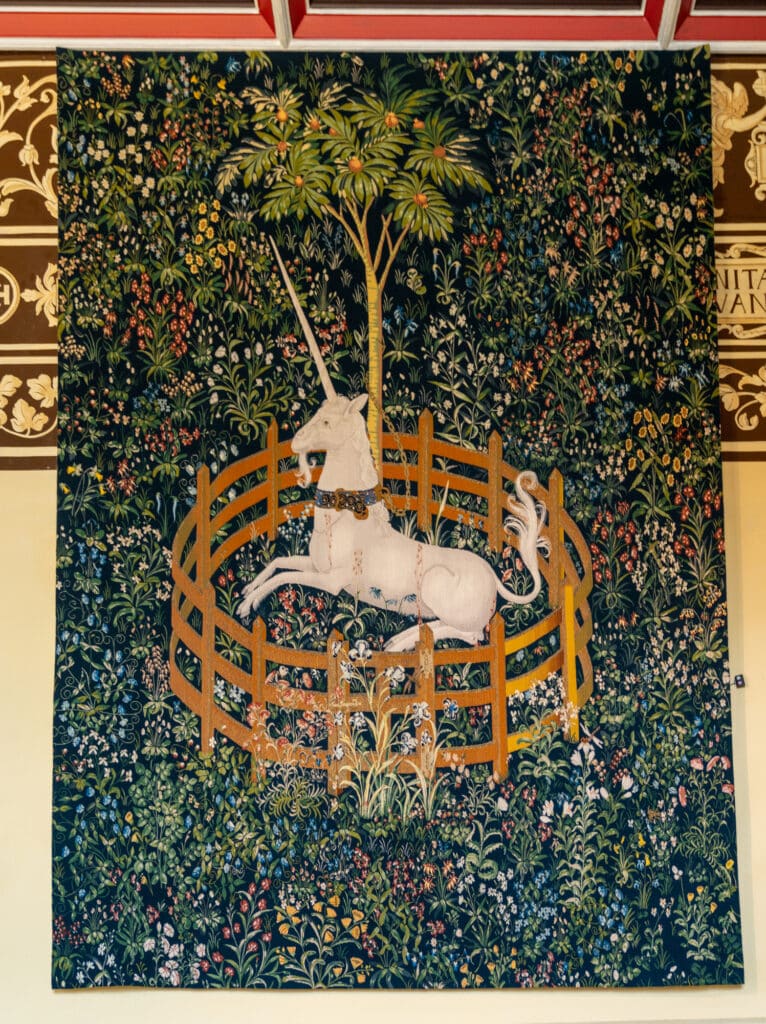
Replica tapestry of The Hunt For The Unicorn inside Stirling Castle

The Hunt of the Unicorn: Medieval Art, Mystery, and Faith

We mentioned the beauty of wall hangings and their practical uses in an earlier post. Here we would like to highlight one of the most beautiful and mysterious tapestries ever created: The Hunt of the Unicorn. This is a series of seven tapestries, and their origin dates from between 1495 and 1505. In its entirety, it’s considered to be one of the greatest artworks in existence. Despite it fame, many mysteries persist about The Hunt of the Unicorn, including who designed it, where it was woven, and what its panels are intended to symbolise.

Woven with wool, silk, and metallic thread, there are 5 large pieces, one small piece, and one piece that survives only in fragments. Each large tapestry is 12 feet tall by 14 feet wide. The seven tapestries are:

  • The Start of the Hunt
  • The Unicorn at the Fountain
  • The Unicorn Attacked
  • The Unicorn Defending Himself
  • The Unicorn is captured by the Virgin (in two fragments)
  • The Unicorn Killed and Brought to the Castle
  • The Unicorn in Captivity

Together, the tapestries tell a tale of noblemen who, with their huntsmen and hounds, pursue a unicorn through a beautiful forest. They track down the unicorn, capture it, take it to a castle, and kill it. In the final tapestry the unicorn is resurrected and shown resting in a garden enclosed by a circular fence.

Unicorns are, of course, magical, pure creatures, and unicorn lore was popular in the medieval period when the tapestry was made. They represented wisdom, immortality, lovers, and marriage. People believed that unicorns could heal wounds and purify water and that only a virgin could tame a unicorn. These themes are woven into the individual tapestries of The Hunt of the Unicorn. A virgin leads the unicorn into an enclosed rose garden where it is sacrificed.

There is entirely another meaning to these tapestries, however. The unicorn at the center of The Hunt of the Unicorn is also clearly meant to represent Jesus Christ, and the virgin is meant to be his mother, Mary. There are many clues hidden within images of the tapestries to indicate this. The unicorn is wounded on his right side, as was Christ. The unicorn is sacrificed and resurrected. In the final tapestry the unicorn sits in a beautiful garden paradise. The piece as a whole was clearly designed to be meaningful and relevant on two levels: both secular and religious. The people of this age would have understood both messages.

Scholars believe that The Hunt of the Unicorn was of French design and woven in Brussels, but more than that is unknown. The initials AE appear over and over in the tapestries, but who AE was, if AE was a person, is another mystery. For centuries they were owned by the La Rochefoucauld family of France. John D. Rockefeller purchased most of the set in 1922 and displayed them in his own house until he donated them to the Metropolitan Museum of Art in 1938 along with the missing pieces he had tracked down. The Met has housed The Hunt of the Unicorn since then in the Cloisters where they are on permanent display for the public to view (above image theirs).

The Hunt of the Unicorn shows the intersection of art and everyday objects, of the sacred and the secular in a very beautiful way. It’s art that serves as more than art, but a reminder of the Easter message as well.

The Hunt of the Unicorn: Medieval Art, Mystery, and Faith Read More »

sisal carpet binding tape in three colors

What Is Carpet Binding Tape?

Do you have questions about carpet binding tape? We have the information you need. Below are some frequently asked questions that Bond Products gets about carpet binding tape – with our answers.

What Is Carpet Binding Tape?

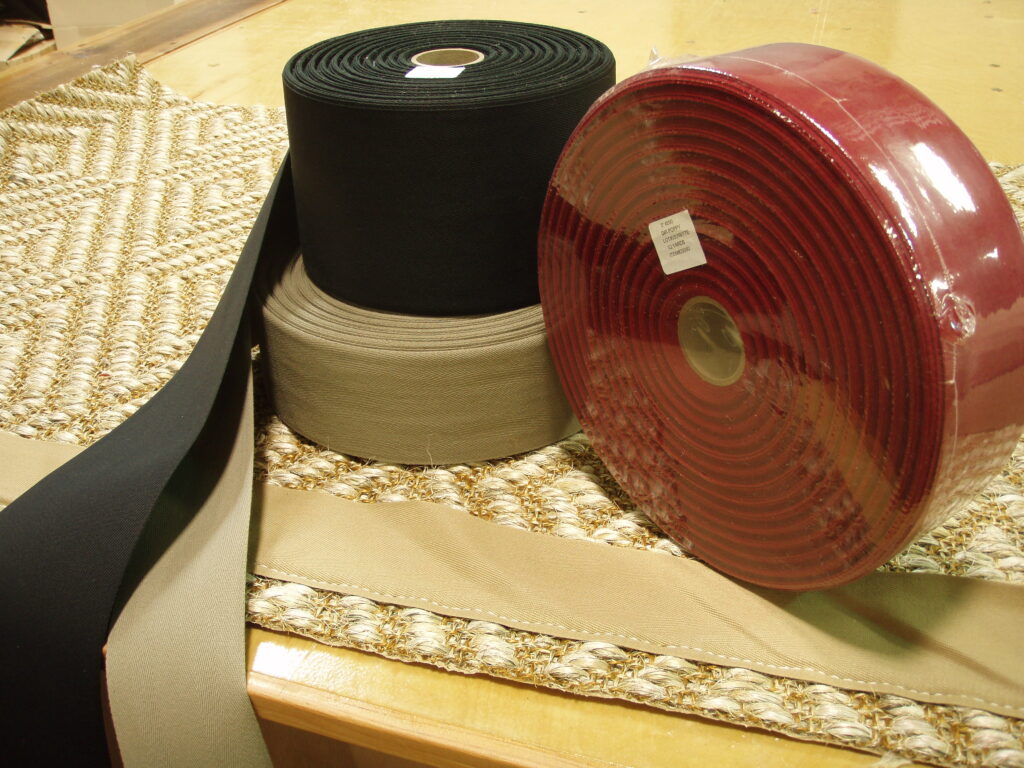
Carpet binding tape is tape that is used to bind the edges of carpets, area rugs, runners, and staircases to make them more attractive and prevent them from fraying or unraveling. Binding tape is also used in cars, boats and recreational vehicles. It’s made of cotton or polyester and comes in a variety of colors to better match the color of carpet it’s trimming.

How Do You Bind Carpet Edges?

There are two ways to bind carpet edges: by machine or by hand using an “instant” carpet binding tape like Instabind

Carpet professionals bind carpets using cotton or polyester binding tape, depending on the fabric material of the rug. They push the carpet through a binding or serging machine that can be either stationary or portable. Portable binding machines are designed to allow for carpet binding when the carpet is being installed on site. A stationary binding machine is what a carpet store will use. These machines work very well, but they require a large table and workspace to turn the carpet on as it’s being bound.

Instabind™ regular style carpet binding has a similar appearance to standard or traditional binding but without showing any stitching. It’s not stitched – it’s glued. Instabind is available in 22 stock colors and a variety of styles. It’s more durable than traditional carpet binding and actually helps reinforce the carpet backing along the cut edges. 

For specific instructions about how to use Instabind to bind a rug or a carpet, click here. Or watch our instructional video:


How Much Does It Cost to Bind Carpet Edges?

The cost of having a carpet bound by a professional will vary from place to place, but expect that it will be at least $2 dollar per linear foot (measure the perimeter of your carpet) if you use polyester carpet binding tape which is the least expensive kind. 

If you want to bind your carpet yourself using Instabind, you can purchase it in standard 54 or 216 ft rolls (priced by the roll) or custom size lengths with a $.40 per foot up-charge (priced by the foot). Please note the diameter is estimated to be 9/32″ wide. We recommend that you use latex-based hot melt glue sticks for a long-lasting strong hold. 

If you have any further questions about carpet binding tape, please call us at 1-888-800-BOND. We are always happy to answer questions about carpet binding, whether you need help with your small carpet project as a first time DIYer or whether you have your own carpet binding machine and need assistance keeping it tuned and maintained. Call us! We are here to help.

What Is Carpet Binding Tape? Read More »

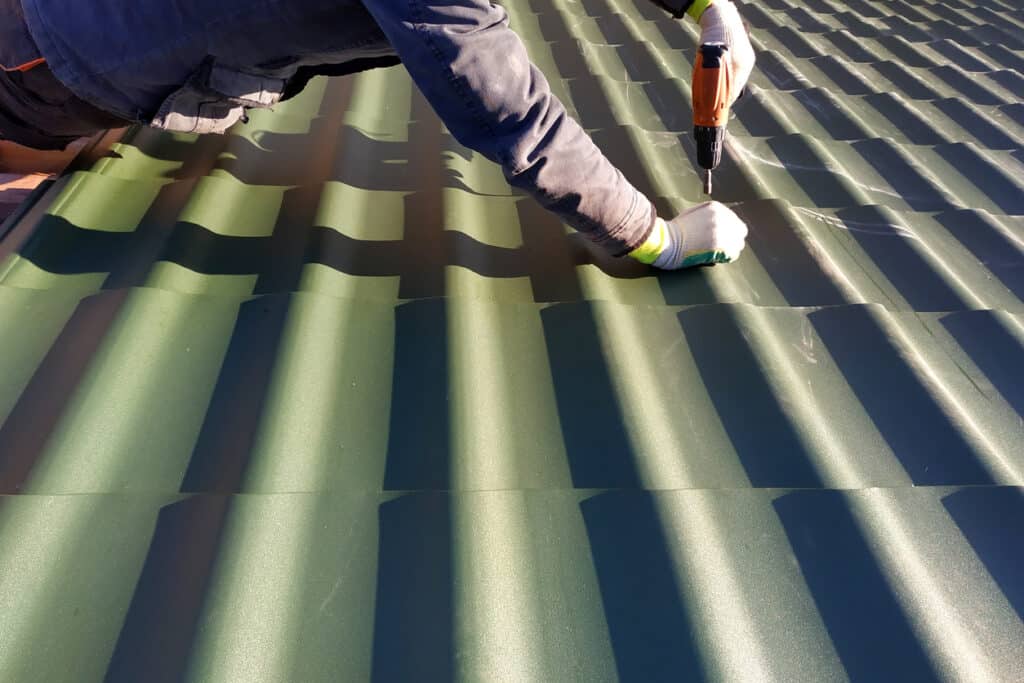
Using metal roof screws to install a metal roof.

Metal Roof Screws: Durability Meets Design

When it comes to installing or maintaining a metal roof, one of the most critical components that often gets overlooked is the humble screw. Metal roof screws play a pivotal role in the longevity and effectiveness of a roof, holding the entire roofing system together and ensuring it stays secure and weatherproof. In this blog, we talk about the metal roof screws we offer at Bond Products and what jobs they are best suited for.

The Importance of Metal Roof Screws

The integrity of a metal roof is only as good as the quality of its installation and the materials used, especially the screws. These screws must withstand various stresses, including thermal expansion, moisture, and wind uplift. Using the right screws is crucial for preventing leaks, rust, and ensuring the roof’s structural integrity over time.

Types of Roofing Screws

The roofing screws we offer are commonly used to install roofing on a house, porch, airplane hangar, shed, pole barn, shop, barn, or lean-to. They are ideal for attaching roofing panels and siding on post-frame and residential metal roof applications. Other common applications for these roof screws are for HVAC, steel stud framing, gutters, and register vents. 

Our screws have hex heads which are popular for their durability and ease of installation. They provide a firm grip and are less likely to strip. The 3-inch length comes in Midwest Green, and the 1-inch lengths are available in steel, white, and tan

The length and diameter of the screw should be chosen based on the thickness of the metal roofing panels and the type of substrate to which they are being attached. It’s crucial to ensure the screws penetrate sufficiently to secure the panels but not so deeply that they cause damage to the underlying material.

Roof Screw Installation Best Practices

  • Proper Placement: Screws should be placed at the designated points to avoid damaging the metal panels.
  • Avoid Over-Tightening: Over-tightening can strip the screw hole or damage the washer, compromising the waterproof seal.
  • Consistent Angles: Screws should be driven in at a consistent angle to ensure an even, secure attachment.

Regular inspection of metal roof screws is essential to maintain a roof. Over time, screws can back out or become damaged, potentially leading to leaks or loose panels. Replacing old or damaged screws promptly helps maintain the roof’s integrity.

In the world of metal roofing, attention to detail makes all the difference, and this certainly applies to the selection and installation of metal roof screws. The right metal roof screws, properly installed, not only secure the metal panels but also contribute to the overall longevity and performance of the roof. With the proper screws in place, a metal roof can provide decades of reliable, aesthetically pleasing protection for any building.

If you are not sure which type of roofing fasteners would best meet your needs, please call us at 1-888-800-BOND. We would be happy to talk over the specs of each screw type and advise you. 


Metal Roof Screws: Durability Meets Design Read More »

carpet success story

Carpet Success Story: Bryant House Restoration

It’s always a pleasure to report a carpet success story. Recently one of our customers was able to use Instabind to restore an antique rug to its former glory!

Bond Products’ Instabind Finds a Home in Historic Victorian

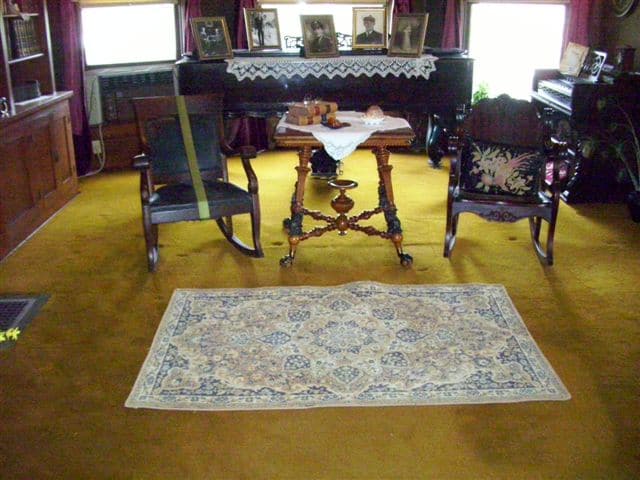
Bond Products received a call from Ms. Noretta Glup, the director of the historic Bryant House. In the process of restoring the historic Victorian mansion, she uncovered a period area rug that was in a bad state of disrepair.

102_1663

After speaking with Ms. Glup, we immediately recognized this as an ideal test and testament to the power and simplicity of our Instabind product.  So we pulled and shipped an Instabind cotton serge style that we thought would fit the rug (see before and after pictures below).

102_1670

Needless to say, Ms. Glup was very happy with the results, “The binding worked out great – as you can see I started with a pretty rough piece of antique carpet.  I am so pleased to be able to use this lovely old carpet again”.

We are happy to have been able to help with the restoration of this rug, and to have played a small part in bringing this beautiful  Victorian back to life as part of this  historic museum.  Thanks, Bryant House!

Carpet Success Story: Bryant House Restoration Read More »

Close the CTA

**WE ARE CURRENTLY EXPERIENCING INTERNAL CHANGES **

THANK YOU FOR YOUR UNDERSTANDING FOR ANY DELAYS

Scroll to Top